Bilingual Parenting
The Benefits of Bilingualism for Young Children (Backed by Research)
The benefits of bilingualism for young children include stronger thinking skills, academic gains, empathy, and lifelong opportunity. Here is what research shows.
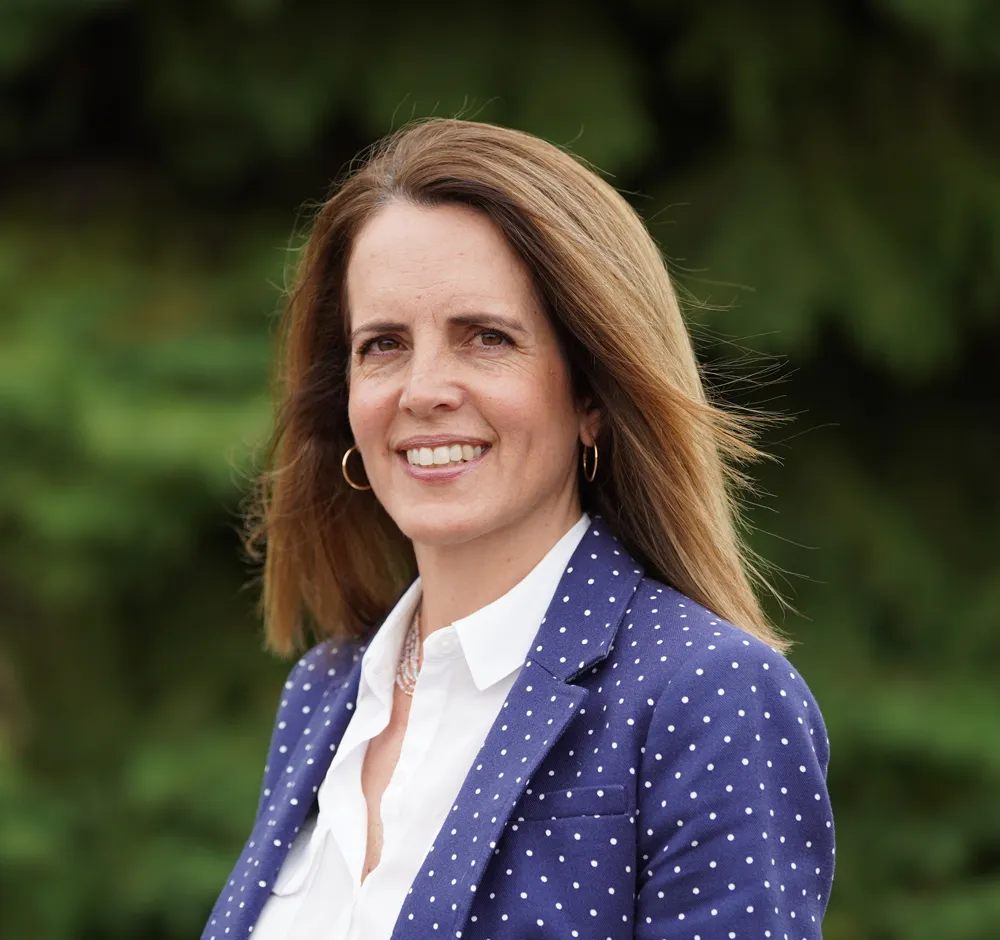
Juliana Capdevila
Parent Engagement Manager & Assistant Director
The benefits of bilingualism for young children are real, well documented, and far broader than most parents expect. Beyond simply speaking two languages, bilingual children tend to develop stronger thinking skills, perform well academically over time, show greater empathy, and gain a lifelong advantage in school, work, and relationships. And because young brains are wired to absorb language naturally, early childhood is the ideal time to begin.
At Alma Flor Ada Spanish Immersion Early Learning Academy in Woodbury, we watch these benefits unfold every day. Here is what the research and the broad consensus among child development experts tell us, explained the way we explain it to families who tour our school.
What are the cognitive benefits of bilingualism for young children?
Bilingual children tend to build stronger executive function, which is the set of mental skills that controls attention, planning, and self-control. Because a bilingual brain is constantly deciding which language to use and filtering out the one it does not need in the moment, it gets daily practice at focusing and switching tasks.
Researchers and child development experts broadly agree that this mental workout shows up in several ways:
- Better attention and focus. Bilingual children often get more practice ignoring distractions and zeroing in on what matters.
- Stronger problem-solving. Holding two language systems builds flexible thinking, which helps children approach problems from more than one angle.
- Greater mental flexibility. Switching between languages strengthens the brain’s ability to shift between rules, ideas, and perspectives.
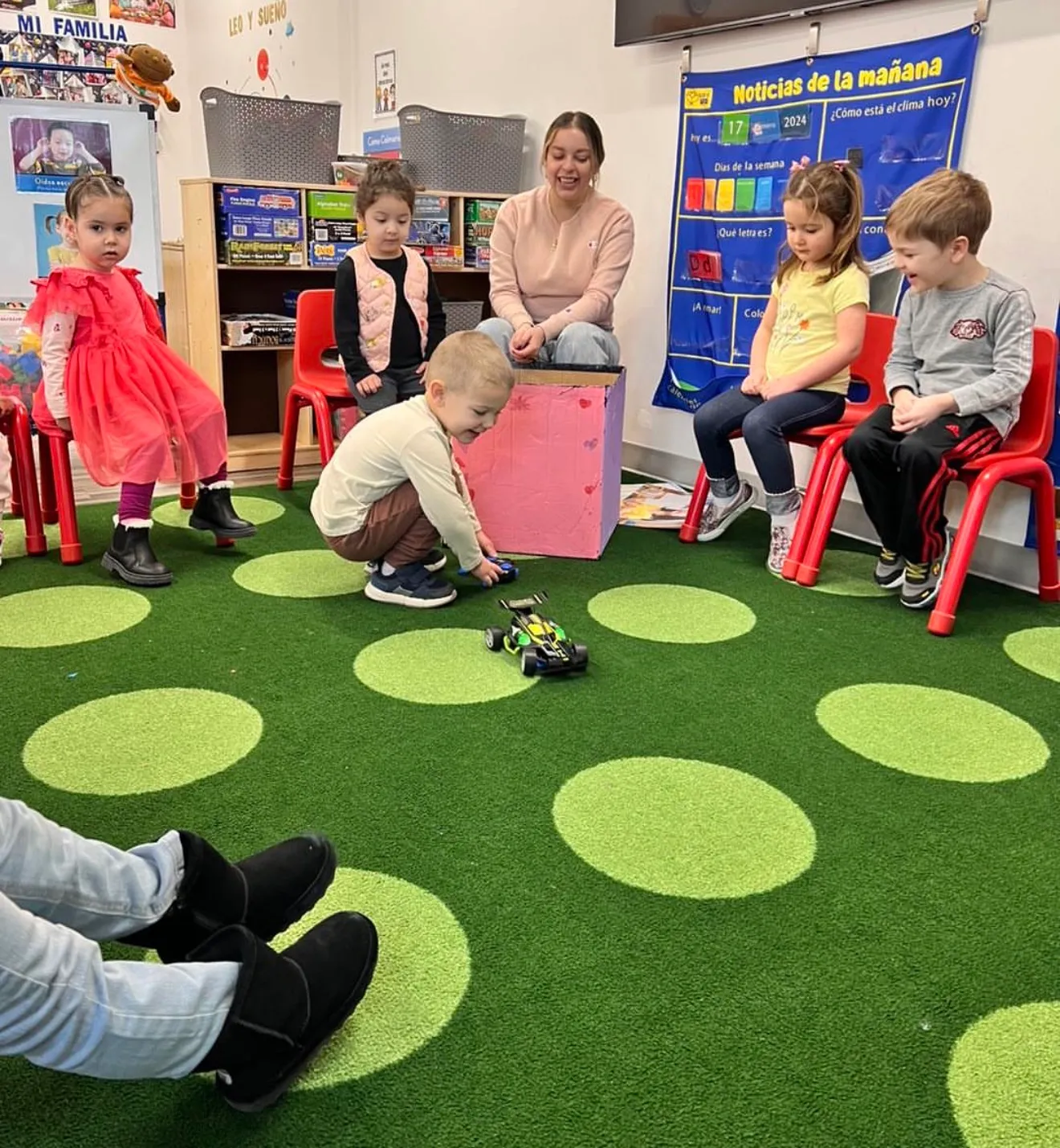
None of this requires drilling or flashcards. In a true immersion classroom, this brain-building happens naturally through play, songs, and daily routines, the same way children learn their first language.
Do bilingual children do better in school?
Over time, yes. While a bilingual child may take a little longer to even out across both languages early on, research consistently shows that bilingual students often match or outperform their monolingual peers academically as they move through school, including in English.
This surprises many parents, so it is worth being clear: learning Spanish does not come at the expense of English. Skills like reading comprehension, vocabulary strategy, and understanding how language is structured transfer between languages. A child who learns to sound out and decode words in Spanish is building literacy muscles that carry directly into English reading.
The academic edge tends to grow, not shrink, with time. By the elementary years, the early investment in a second language often pays off in stronger literacy and a more agile approach to learning across subjects.
How does bilingualism help children socially and emotionally?
Bilingual children often develop deeper empathy and perspective-taking. Because they spend so much time aware that not everyone speaks or understands the same words, they get early practice imagining what another person knows, needs, and feels.
That awareness translates into real social skills:
- Empathy and perspective-taking. Children who navigate two languages are practiced at considering another point of view.
- Global awareness. Growing up alongside another language and culture builds a more open, curious view of the wider world.
- Family and heritage connection. For many families, a second language is a bridge to grandparents, relatives, traditions, and a cultural identity that might otherwise fade.
At our academy, this is why we treat culture as part of the curriculum rather than an add-on. Our native Spanish-speaking teachers come from across the Spanish-speaking world, so children absorb real culture, music, and tradition, not just vocabulary.
What are the long-term benefits of being bilingual?
The advantages of bilingualism follow children well into adulthood. A second language opens doors in careers, makes travel and relationships richer, and connects people to communities they would otherwise miss.
In a country where Spanish is spoken by tens of millions of people, fluency is a genuine professional asset across fields like healthcare, education, business, law, and public service. Beyond the resume, bilingual adults often describe their second language as a gift that shaped how they see and move through the world.
The most important point for parents of little ones: these are lifelong returns on a head start you give your child now, during the years when language comes most easily.
Why is early childhood the best time to start?
Young children are built to absorb language. There is a well-documented window in early childhood when the brain picks up new languages with an ease adults can only envy, soaking up pronunciation, rhythm, and meaning through everyday exposure rather than study.
This is the heart of why immersion works so well for young children. A toddler who hears Spanish all day during play, meals, and songs is not memorizing translations. They are simply learning what words mean by living them, which is exactly how they learned their first language. We see this clearly in our youngest learners, and we wrote more about it in starting Spanish immersion at 16 months.
One reassuring note for parents who are nervous about confusing their child: you do not need to speak Spanish at home for any of this to work. Children acquire language through immersion and relationships, not through coaching at the dinner table. We answer this common worry fully in do you need to speak Spanish at home for immersion to work.
How do I give my child these benefits?
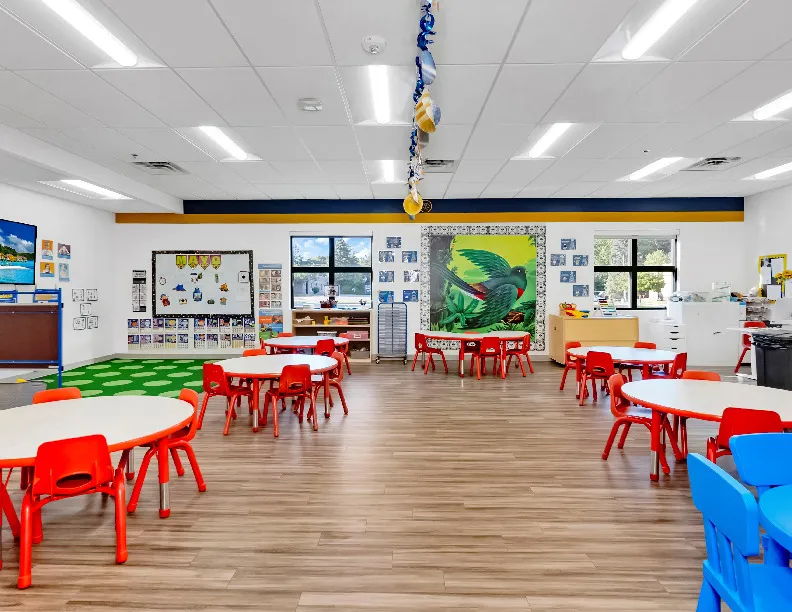
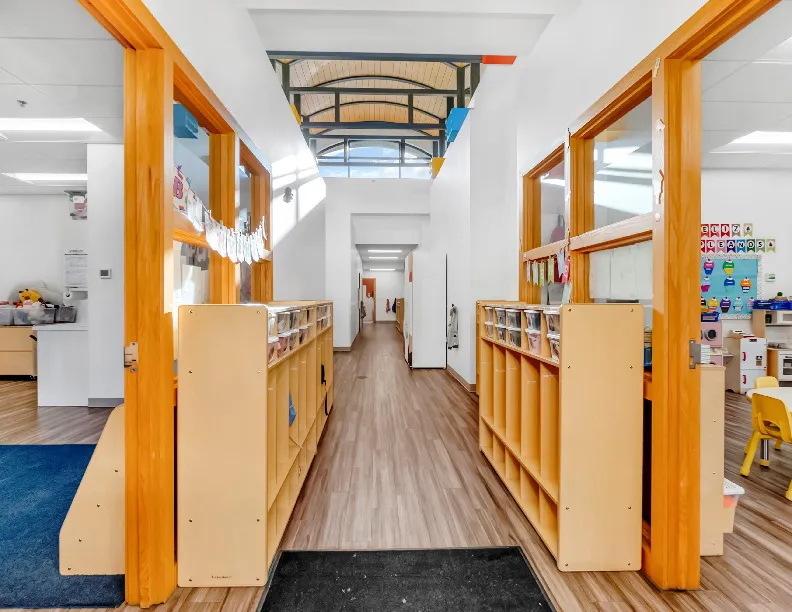
The simplest path is consistent, high-quality exposure during the early years, which is exactly what an immersion program provides. Our students at Alma Flor Ada in Woodbury spend most of their day in Spanish, surrounded by native-speaking teachers and a warm, structured environment built for early childhood.
If you want to see what these benefits look like in action, come visit. Schedule a tour of our Woodbury academy at 8420 City Centre Drive, or call us at 651-999-3952, and watch a room full of happy, bilingual children at work and play.
Frequently Asked Questions
Does bilingualism delay a child's speech?
Is my child too old to start a second language?
Does learning Spanish hurt a child's English development?
What age is best to begin a second language?
About the author
Juliana Capdevila, Parent Engagement Manager & Assistant Director
Juliana Capdevila is the Parent Engagement Manager and Assistant Director at Alma Flor Ada Spanish Immersion Early Learning Academy. Originally from Buenos Aires, Argentina, she is a native Spanish speaker and has lived in Woodbury, Minnesota for 19 years with her husband and two daughters. She holds a Bachelor's degree in Marketing and brings experience in nonprofit work, family relocation support, and business management. Juliana works closely with AFA families every day, helping them understand the immersion program and supporting their children's bilingual journey.
Curious about Spanish immersion for your child?
Schedule a tour of our Woodbury academy. We would love to show you around and answer your questions.