Choosing a Preschool
When Should My Child Start Preschool? A Parent's Guide
Wondering when should my child start preschool? Here is how Woodbury families weigh age, readiness, and timing, and why waiting is not always the safer bet.
Melissa Thaemert
School Director
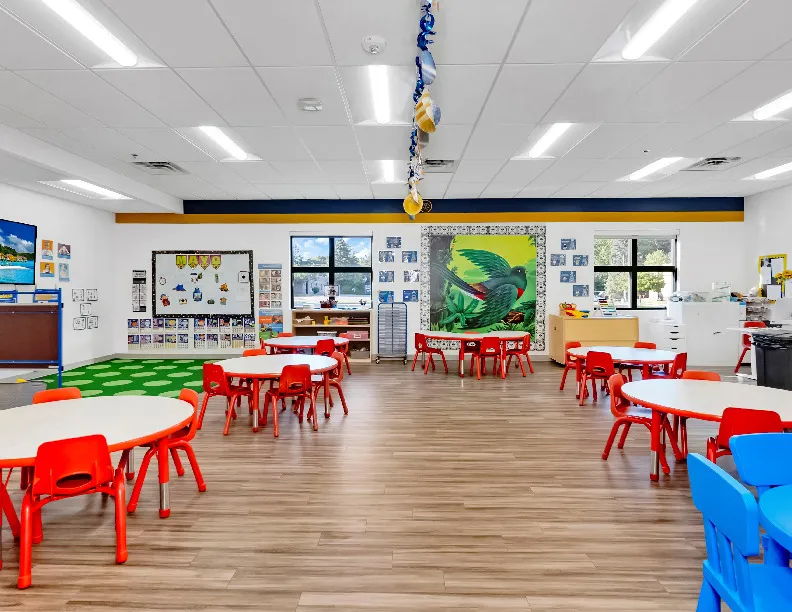
If you have found yourself searching when should my child start preschool, you are asking the right question at the right time. It is one of the first big decisions of early childhood, and it rarely comes with an obvious answer. Your child might seem ready one week and completely attached to your leg the next. A neighbor started their two year old and loved it. Your own instinct says wait. All of that can be true at once.
Here is the honest version: there is no universal right age. There is a right age for your child, and it depends less on the number on the birthday cake than on readiness, family rhythm, and the kind of program you are considering.
What is the best age to start preschool?
Most children start preschool between ages two and four, and three is the most common starting point. Programs designed for toddlers begin much earlier. At our academy in Woodbury, children can begin at 16 months, because the room, the ratios, and the daily routine are built specifically for children that young.
The age that works is the age where two things line up: your child is ready for time in a group setting, and the program is genuinely designed for a child that age. A wonderful program for four year olds can be the wrong place for a 20 month old, and the reverse is just as true. This is why touring matters more than picking a number in advance.
Why the early years carry so much weight
The reason this decision feels big is that it is. The first few years of life are the most active period of brain development a person ever experiences. Harvard’s Center on the Developing Child reports that more than one million new neural connections form every second in the first few years of life, with the brain building the architecture that later learning depends on.
That does not mean a child who starts preschool later has missed something permanent. Children are resilient and the brain keeps building. It does mean that the years before kindergarten are unusually fertile ground, particularly for language. A child soaking up vocabulary, conversation patterns, and social cues at age two is doing it with far less effort than an older child would need.
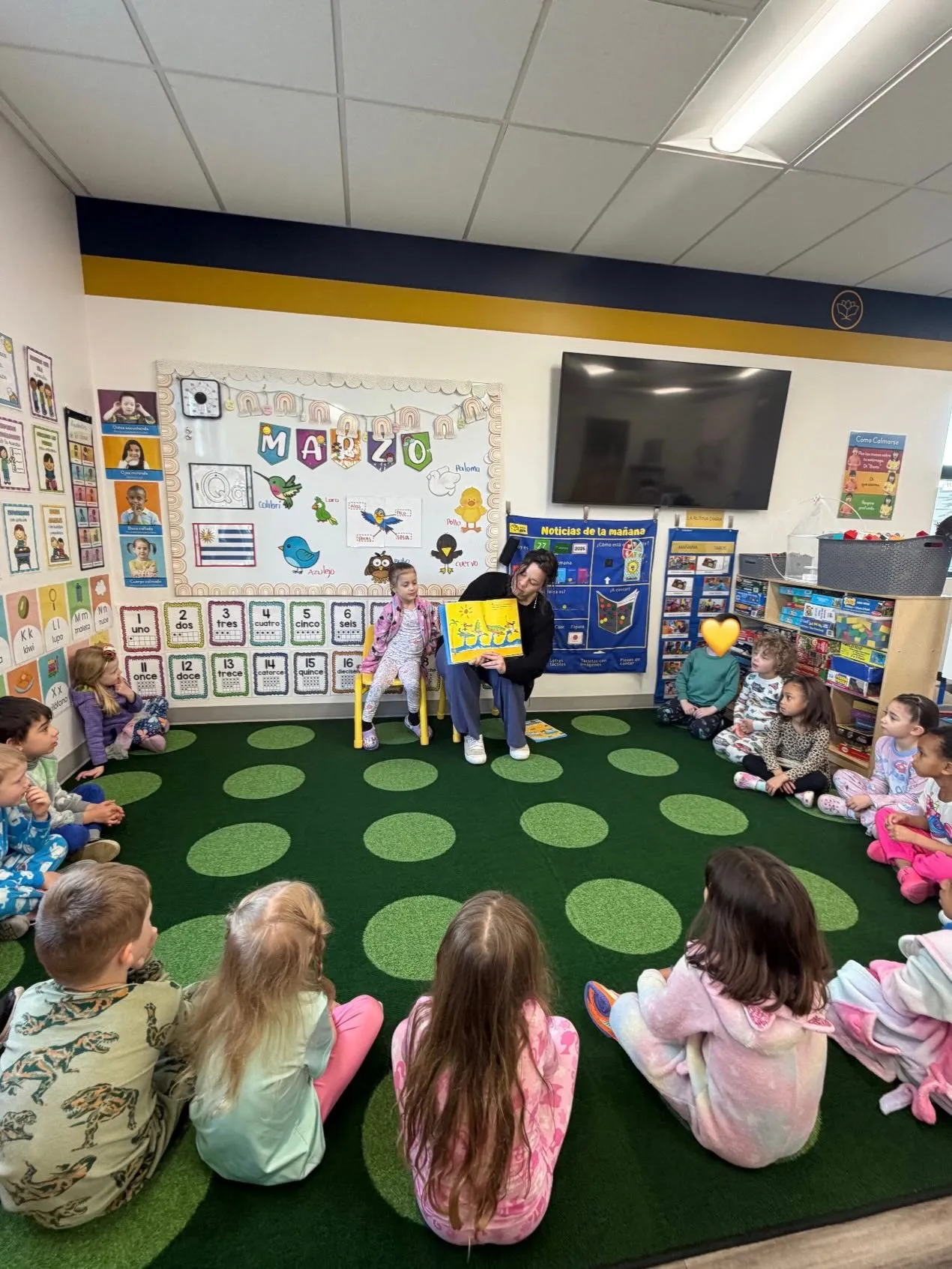
This is also why language immersion works so well in early childhood. Young children do not translate. They simply absorb, the same way they absorbed their first language. We wrote more about that in our guide to starting Spanish immersion at 16 months.
Signs your child may be ready
Readiness is not a test to pass. It is a set of gentle signals that a child is looking for more than home can offer on its own. Watch for whether your child:
- Shows curiosity about other children. Parallel play counts. Interest in other kids is a stronger signal than the ability to share.
- Can handle short separations. Not perfectly, and not without tears. Just enough to recover and re-engage with a trusted adult.
- Follows simple routines. Cleaning up, sitting for a story, coming to the table. The building blocks of a classroom day.
- Has energy your home routine cannot absorb. Restlessness and boredom often mean a child is ready for a bigger world.
- Communicates needs in some way. Words, gestures, or pointing all work. Verbal fluency is not a prerequisite.
If most of those sound familiar, your child is likely ready for a well-matched program. If almost none do, another few months at home is a perfectly reasonable choice.
Worth naming plainly: separation anxiety is not evidence that a child is not ready. Nearly every child cries at drop off at some point, including children who go on to love school. What matters is how the program handles it and how your child settles once you are out the door.
How age works inside a leveled program
One thing that makes the timing question easier is a program with real progression built in. Ours runs on a five level system. Children begin in Early Pre-K, Level 101, at 16 months to two years, move through Pre-K in Levels 102 and 103, then into Kindergarten Readiness in Levels 104 and 105 at age four and up, with a full Kindergarten grade at age five.
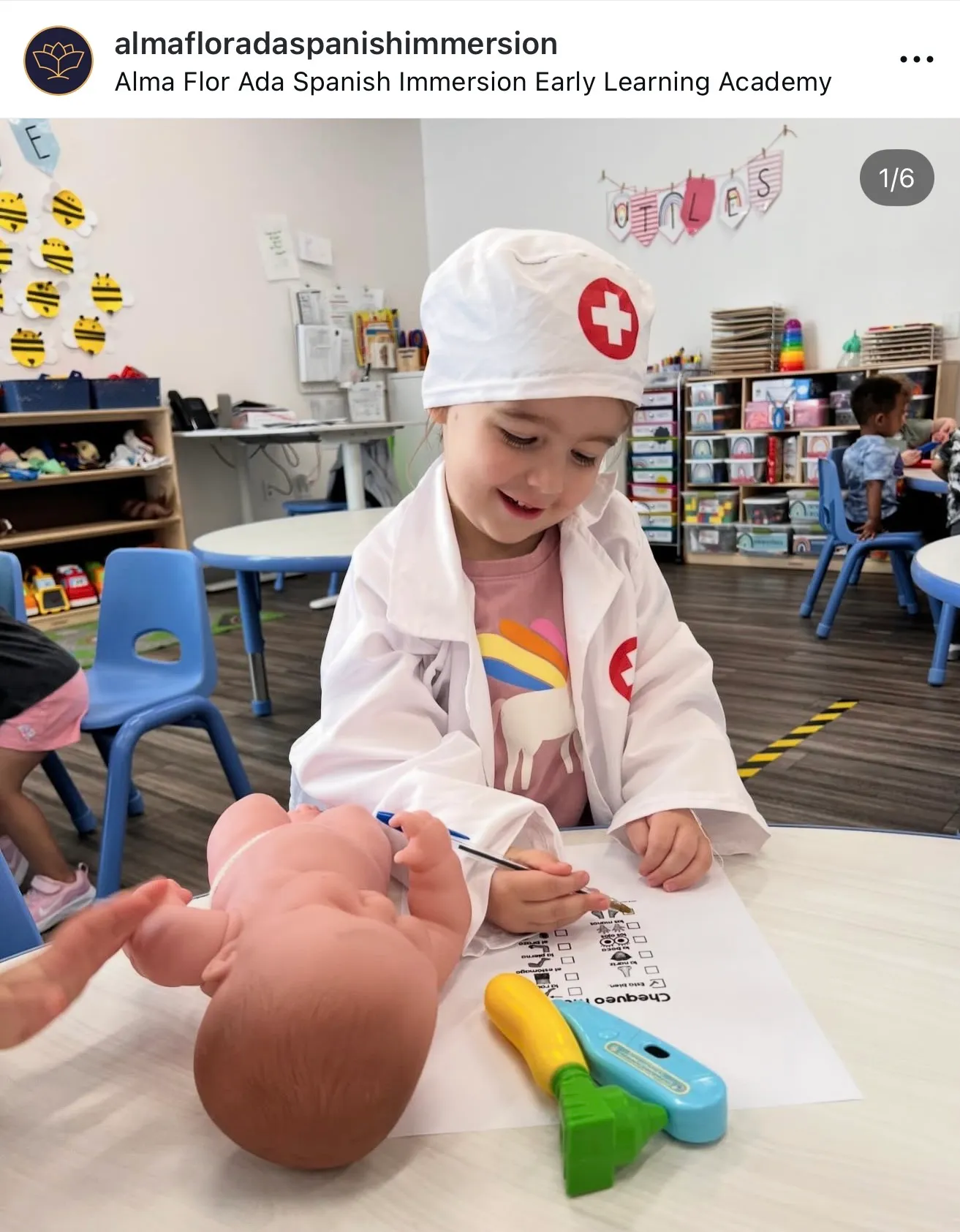
The advantage of a structure like that is your child is never in a room built for a different age. A 17 month old gets naps, diapering, and a gentle pace. A four year old gets bilingual literacy and math foundations. You can see how the full progression works across all five levels and where your child would land today.
Working backward from kindergarten
Sometimes the clearest way to answer the timing question is to start at the end. In Minnesota, a child must be at least five years old on September 1 of the school year they enter kindergarten. That date anchors everything before it.
If your child turns five next August, they will start kindergarten that fall. Counting backward from there tells you how many preschool years you actually have. A child starting at four gets one. A child starting at three gets two. A child starting as a toddler gets three or more, which is a meaningful difference in an immersion setting where language builds year over year.
None of this is a reason to rush. It is simply useful math to have in front of you.
What if we wait another year?
Waiting is a legitimate choice, and plenty of families make it for good reasons: a new baby at home, a parent’s schedule changing, a child who needs more time. If you wait, use the time. Read together daily, arrange regular playdates, and build small routines that resemble a school day.
The one thing worth watching is availability. Toddler rooms are the smallest and fill first, so a family who decides to wait six months sometimes finds the door closed for another six. If a specific program matters to you, tour early even if you plan to start later.
Come see it for yourself
The truest answer to when your child should start preschool usually shows up on a tour. You walk into a room, you watch your child’s face, and something in you either settles or does not. That is real information, and it beats any checklist.
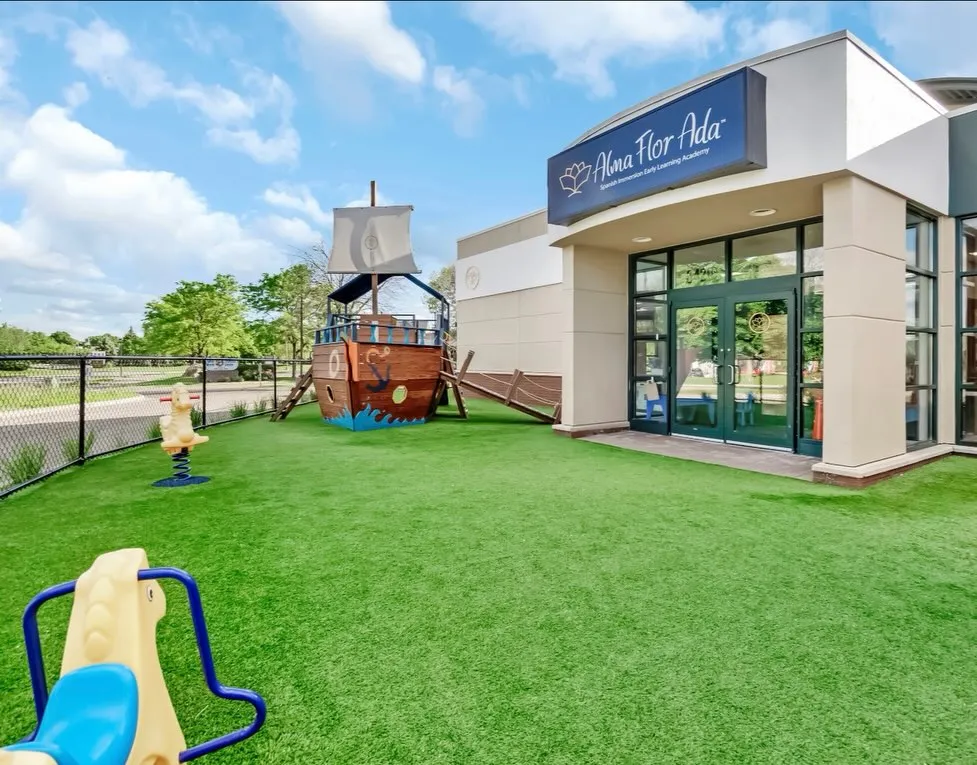
We would love to show you our classrooms in Woodbury and talk honestly about whether now is the right moment for your family. Schedule a tour and see the room your child would walk into, or start an application when you are ready to hold a spot. If you are still deciding, come anyway. We have had many good conversations that ended with “let’s talk again in the spring,” and that is a fine outcome too.
Frequently Asked Questions
What is the most common age to start preschool?
Does my child need to be potty trained to start preschool?
Is it bad to start preschool at four instead of two?
How far in advance should I apply to a preschool in Woodbury?
About the author
Melissa Thaemert, School Director
Melissa Thaemert is the School Director at Alma Flor Ada Spanish Immersion Early Learning Academy in Woodbury, Minnesota. She is a Minnesota educator with 24 years of experience as an elementary teacher, instructional coach, and administrator, and has served as an elementary administrator for the past nine years. She holds advanced degrees in educational leadership, professional studies, adult learning, and elementary education.
Curious about Spanish immersion for your child?
Schedule a tour of our Woodbury academy. We would love to show you around and answer your questions.