Choosing a Preschool
What to Look for When You Tour a Preschool in Woodbury
Planning preschool visits in Woodbury? This touring a preschool checklist shows you exactly what to look for and the right questions to ask on every tour.

Melissa Thaemert
School Director
Choosing where your child spends their days is one of the biggest decisions of early childhood, and a good tour is how you make it with confidence. If you are planning preschool visits around Woodbury, this touring a preschool checklist will help you look past the fresh paint and cute bulletin boards to the things that actually shape a child’s day. A brochure can tell you a program’s philosophy. A tour tells you whether that philosophy is alive in the room.
The goal is not to catch a school off guard. It is to notice the details that reveal quality, ask a few honest questions, and pay attention to how your child feels in the space. Here is what to look for.
Trust your first impression at the door
Your first ninety seconds tell you a lot. Notice how you are greeted, how the space feels, and whether the children seem settled and engaged. A quality program feels calm and purposeful, even when it is busy. You should hear the everyday hum of children at work and play, not chaos and not silence.
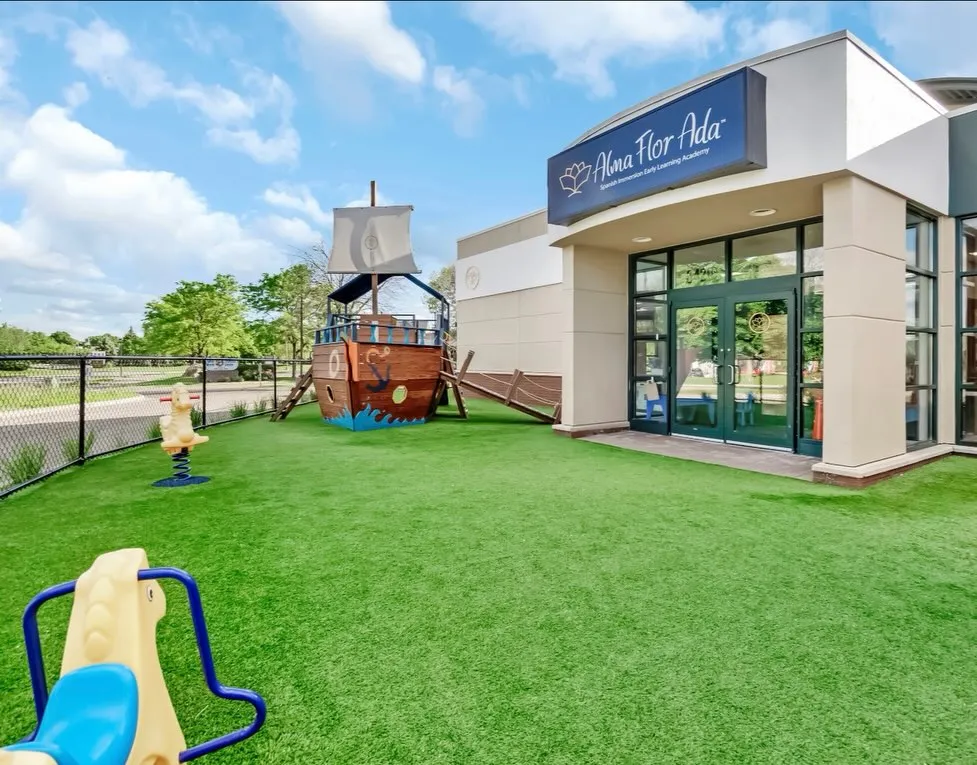
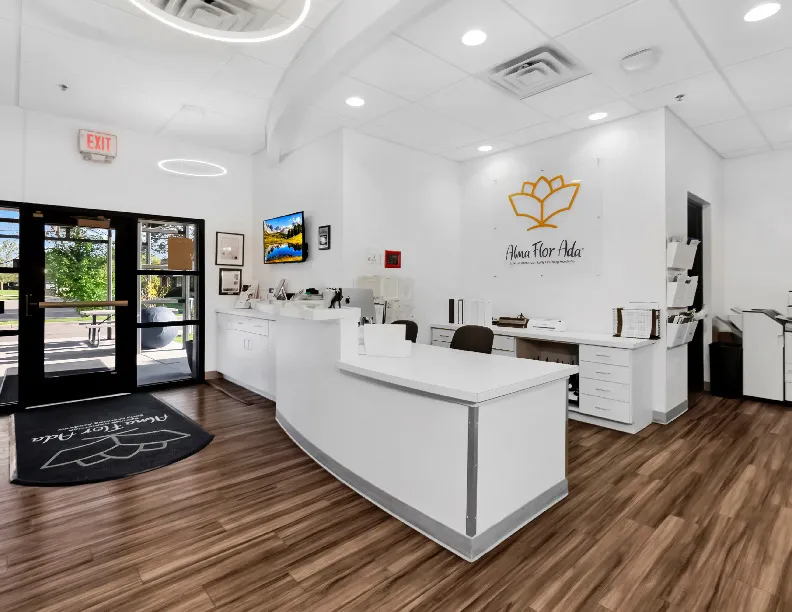
Look at the entry and the hallways. Are the doors secure and is there a clear sign-in process? Are children’s names and artwork on the walls, showing that this is their space? A warm, organized front lobby and a friendly welcome set the tone for the kind of care your child will receive every morning.
What to look for inside the classroom
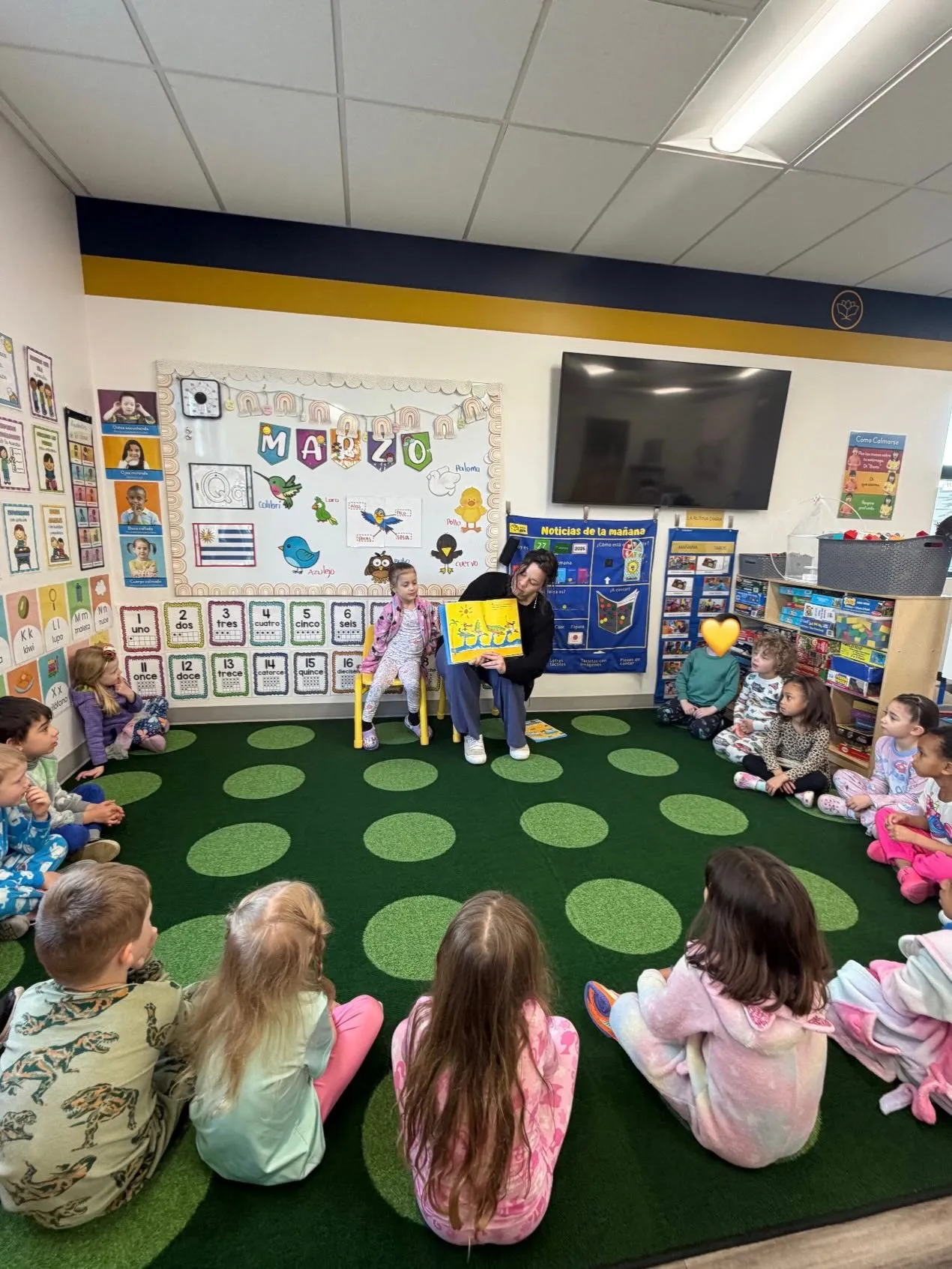
Once you are in a classroom, slow down and watch for a few minutes. The room itself is a signal of how children spend their time.
- Child-height everything. Shelves, hooks, and materials your child can reach independently build confidence and independence.
- Defined learning areas. A reading nook, a dramatic play corner, a building area, and space for art or sensory work show that the day is planned around how young children actually learn.
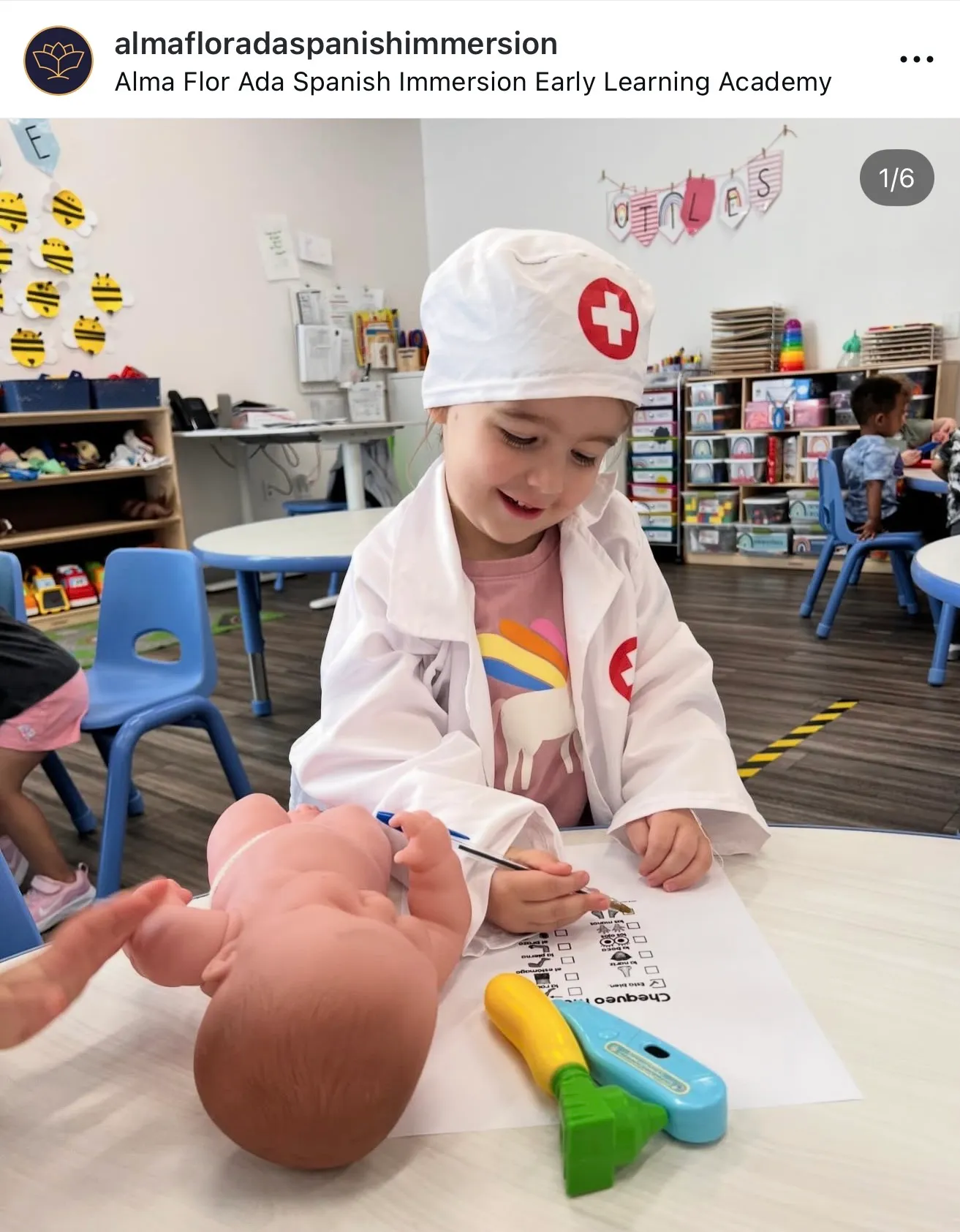
- Real work on display. Look for children’s own paintings and projects rather than only identical, teacher-made crafts.
- Clean and cared for, not sterile. A little happy mess during activity time is a good sign. Grime, clutter, or broken materials are not.
Ask to see where children eat, nap, and use the bathroom. These everyday spaces reveal a program’s real standards better than any showcase corner.
The questions to ask on a preschool tour that matter most
The single most useful question is simple: what does a normal day look like? A confident program can walk you through drop off, learning time, meals, outdoor play, rest, and pickup without hesitation. From there, a short list of focused questions tells you almost everything you need to know:
- What is the teacher-to-child ratio in my child’s room, and what is the group size?
- How long have the lead teachers been here, and what training do they have?
- How do you handle separation anxiety, tears, and hard days?
- How and how often will I hear about my child’s day and progress?
- What are your health, safety, and illness policies?
- How do children move between activities, and what does discipline look like here?
You are listening for clear, specific answers. Vague or defensive responses are worth noticing. To see how these pieces fit together in practice, it helps to picture a full day in the life of a real classroom rather than a single moment on a tour.
What healthy ratios and group sizes look like
A good ratio means each child is truly seen, not just supervised. In Minnesota, licensed child care centers must meet minimum staffing standards, and for preschoolers the state minimum is one adult for every ten children, as set in the state’s child care licensing rules. Toddlers and infants require more staff per child.
Treat that minimum as a floor. Many strong programs choose to staff more generously so teachers can give real attention, notice when a child is struggling, and keep transitions smooth. Ask what the ratio actually is in the room your child would join on a typical day, not just what the license allows.
Watch how teachers talk with children
This is the heart of quality, and you can see it in minutes. Warm, responsive teacher-child interactions are the strongest everyday sign of a good program. According to the National Association for the Education of Young Children, the quality of those interactions is closely tied to how children grow in language, early literacy, and social skills.
While you tour, watch for teachers who kneel to a child’s eye level, ask open-ended questions like “What do you think will happen next?”, and narrate what children are doing. Notice whether they redirect gently and stay patient during a spill or a squabble. Genuine warmth is hard to fake, and it is exactly what your child will feel every day.
Red flags worth noticing
Most programs you tour will be caring places. Still, keep an eye out for a few signals that deserve pause:
- Staff who seem stretched thin, distracted, or unable to answer basic questions about the day.
- A reluctance to show you the whole space, including bathrooms, the kitchen, or nap areas.
- No clear sign-in, security, or pickup procedure.
- Children who seem consistently unhappy, unengaged, or unsupervised.
- High teacher turnover, which can disrupt the consistent relationships young children rely on.
One awkward moment is not a verdict. A pattern is.
A note for families touring a Spanish immersion preschool
If you are considering immersion, you will have a couple of extra things to look for, and you do not need to speak Spanish to evaluate them. Ask whether the teachers are native speakers, since authentic pronunciation and cultural depth come from lived fluency. At Alma Flor Ada, our classrooms are led by native Spanish-speaking teachers using a 90/10 immersion model for children ages 16 months through Kindergarten.
Watch how the teachers make meaning clear without translating, using gestures, tone, pictures, and routine so children understand naturally. If you want to understand how immersion actually works before you visit, our guide on how to choose a Spanish immersion preschool walks through it in plain language.
Bring your checklist, then trust what you saw and felt
A tour gives you two kinds of information: the facts you gather and the feeling you leave with. Both matter. The right preschool is one where the answers hold up, your child seems at ease, and you can picture your family belonging there.
When you are ready to see it for yourself, we would love to show you around. You can schedule a tour of Alma Flor Ada in Woodbury or call us at 651-999-3952. Come see the classrooms, meet the teachers, and bring your questions. We will happily answer all of them.
Frequently Asked Questions
What questions should I ask on a preschool tour?
What is a good teacher-to-child ratio for preschool in Minnesota?
How many preschools should I tour before deciding?
Should I bring my child on the preschool tour?
About the author
Melissa Thaemert, School Director
Melissa Thaemert is the School Director at Alma Flor Ada Spanish Immersion Early Learning Academy in Woodbury, Minnesota. She is a Minnesota educator with 24 years of experience as an elementary teacher, instructional coach, and administrator, and has served as an elementary administrator for the past nine years. She holds advanced degrees in educational leadership, professional studies, adult learning, and elementary education.
Curious about Spanish immersion for your child?
Schedule a tour of our Woodbury academy. We would love to show you around and answer your questions.