Spanish Immersion
Summer Learning Loss Is Real. Here Is How Immersion Camps Help
Summer learning loss is real for preschoolers. See how Spanish immersion summer camps in Woodbury, MN keep your child's skills and language growing all break.

Melissa Thaemert
School Director
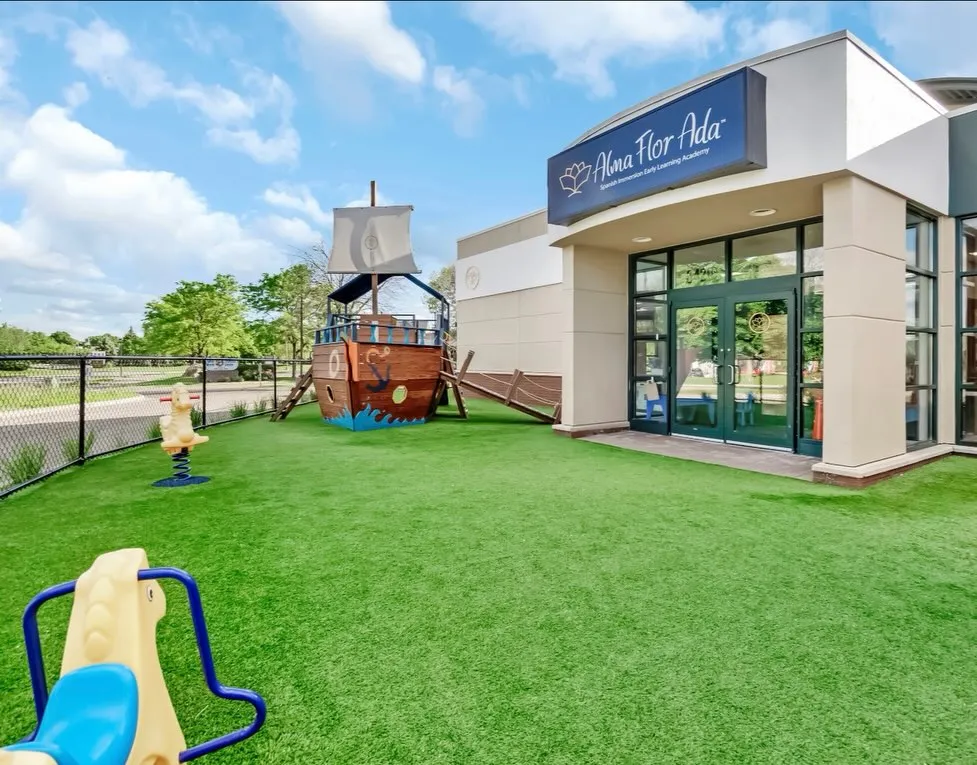
Summer learning loss is real, and for preschoolers it deserves a closer look than it usually gets. The long break is wonderful for rest and family time, yet a stretch of months with little structured learning can quietly stall the momentum a young child built all year. The good news is that preventing it does not require flashcards or pressure. It takes a few weeks of joyful, consistent learning, which is exactly what a Spanish immersion summer camp is designed to deliver.
As School Director, the question I hear most every spring is some version of this: will my child lose what they gained? Parents notice how much their child grew between September and May, and they worry that a quiet summer will undo it. The worry is reasonable, and the fix is simpler and far more fun than most families expect.
Is summer learning loss real for young children?
Yes. On average, students lose about one month of school-year learning over the summer, and the declines tend to be sharper in math than in reading, according to a research summary from the Brookings Institution. The exact size of the effect varies by age, subject, and how a child spends the break, but the pattern is well documented.
For the youngest learners, the stakes are a little different. Early childhood is a period of rapid brain development, when skills build quickly and habits form fast. A preschooler is not memorizing facts for a test. They are developing language, focus, social skills, and a sense of themselves as a capable learner. Those things grow through daily use, and they soften when the routine disappears for an entire summer.
The point is not to frighten anyone. A relaxed summer will not erase a year of growth. But an entirely unstructured one can mean your child spends part of the fall regaining ground instead of moving forward.
Why language skills are especially vulnerable over the summer
Language is one of the first things to fade without regular use. A child who is immersed in Spanish all year hears it, speaks it, and thinks in it every day. Remove that input for three months, and comprehension is usually the first thing to soften, even before speaking does.
This is simply how the brain works. Language lives through repetition and real use, not through a single burst of instruction. The vocabulary and confidence your child built during the year stay strong when they keep encountering the language in meaningful, everyday moments. When the input stops, the connections grow quieter.
That is the heart of immersion, and it is also why summer matters so much for bilingual children. The model that makes immersion effective, described in our explainer on how the 90/10 Spanish immersion model works, depends on consistent exposure over time. A long gap interrupts exactly the thing that makes it work.
How Spanish immersion summer camps prevent the slide
A Spanish immersion summer camp solves the summer problem without making summer feel like school. The aim is to keep your child engaged and surrounded by language a few weeks of the break, so their skills stay active and ready for fall.
Consistent exposure keeps language alive
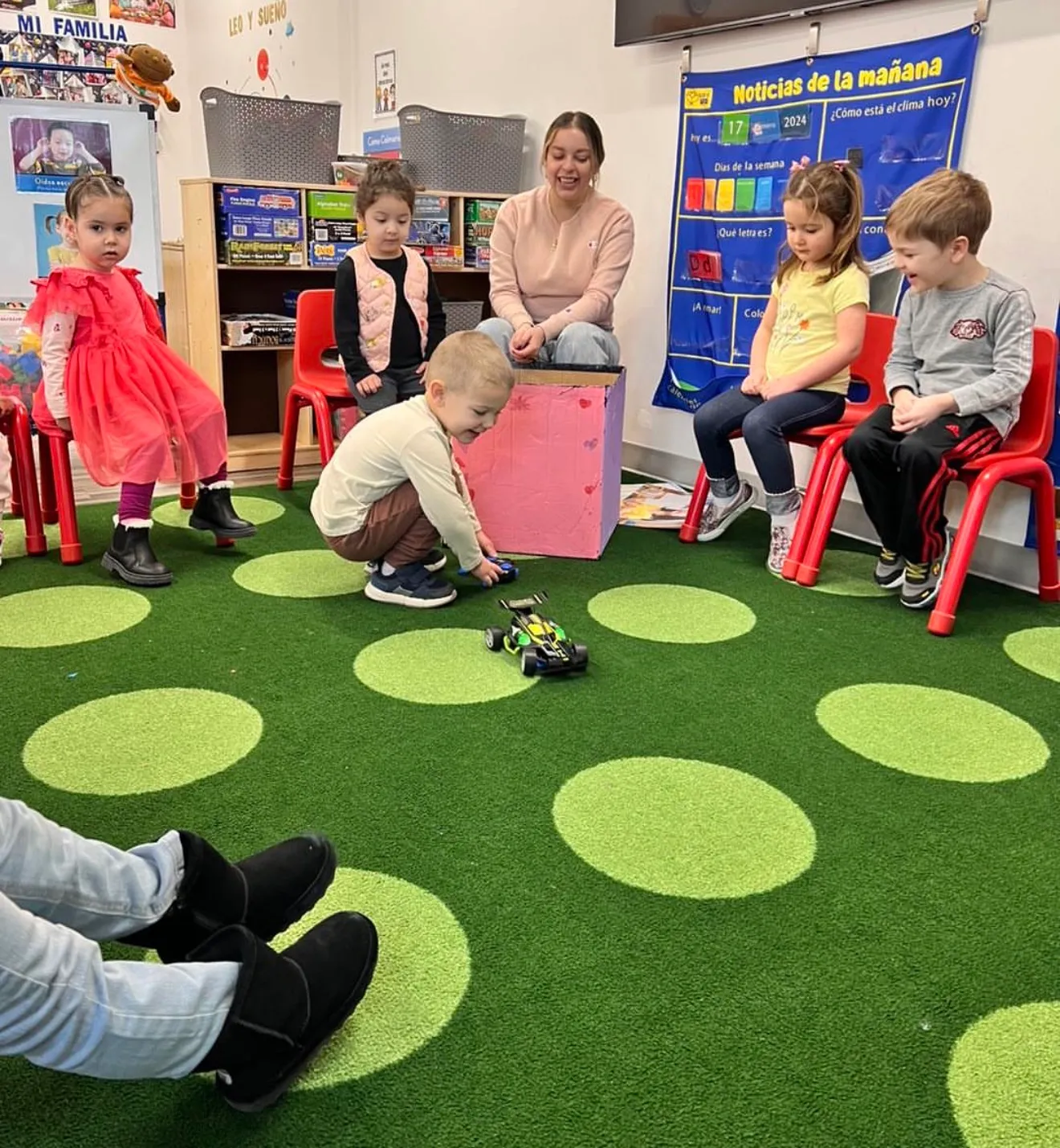
The single most effective way to protect your child’s Spanish is to keep them hearing and using it. At camp, roughly 90 percent of the day happens in Spanish with native-speaking teachers, the same way it does during the school year. The difference is the energy. Days are lighter, more exploratory, and built around the season, but the language input never stops. That steady contact is what keeps comprehension and vocabulary from drifting.
Learning stays hands-on and joyful
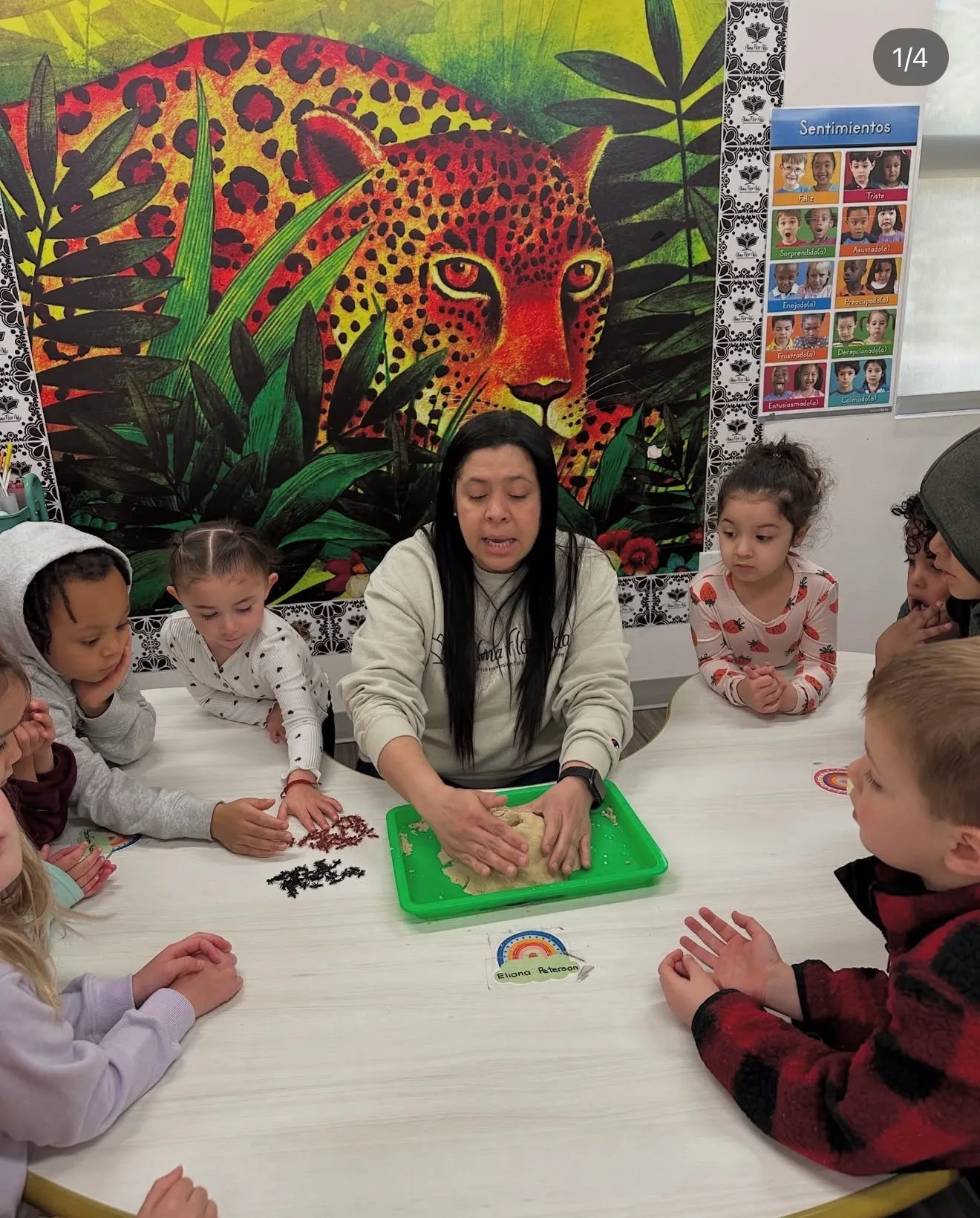
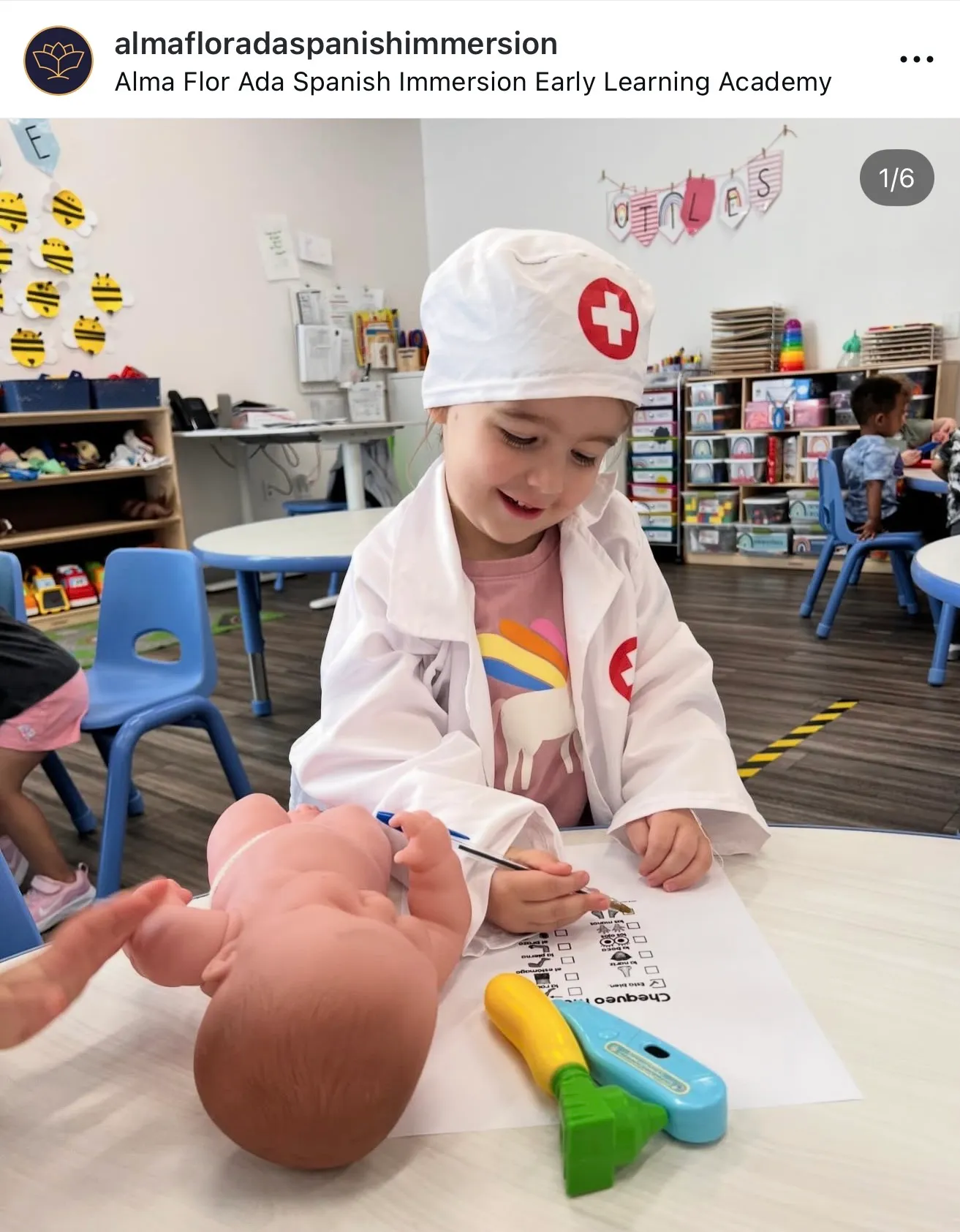
Children do not experience camp as catch-up work, because it is not. They build, paint, sing, run, and experiment, all in Spanish. The learning is folded into play, which is exactly how young children learn best. A child who spends a summer morning on a science project or an art activity is practicing language, focus, and problem solving without ever feeling like they are in a lesson. You can see the full lineup of weekly themes on our summer camps page.
What summer camp benefits look like beyond academics
The summer camp benefits for young children reach well past preventing the slide. A good camp keeps the whole child growing.
- Social and emotional skills stay sharp. Sharing, taking turns, and navigating friendships are muscles that weaken without practice. Camp keeps them strong.
- Routine stays familiar. Children thrive on predictable rhythms. A camp day with its own gentle structure makes the return to fall feel natural rather than jarring.
- Confidence keeps building. Trying new things in a supportive setting helps a child see themselves as capable, which carries into the new school year.
- Curiosity stays lit. A summer of discovery keeps a child excited to learn instead of restless and bored.
For families who are new to AFA, summer also serves a second purpose. Camp is a relaxed, low-commitment way to experience immersion before deciding on year-round enrollment. You get to watch your child light up in the program, and your child gets a head start on the language and the community. Our full picture of what a season of immersion summer looks like lives on our Spanish immersion summer camps in Woodbury overview.
How much summer learning is enough?
Consistency matters more than volume. You do not need to recreate a full school year over the break. A few weeks of camp, supported by simple habits at home like reading together and a little outdoor play, is usually plenty to keep a young child steady.
The goal is modest and reachable: keep the brain active, keep the language alive, and let summer still feel like summer. When fall arrives, your child steps back into the classroom ready to grow rather than needing to recover.
If you want a summer that protects everything your child gained this year and adds a few new sparks of joy, we would love to show you what camp looks like. You can apply for a summer spot or schedule a tour to see our Woodbury academy in person. Either way, we will help you find the right fit for your child and your family.
Frequently Asked Questions
Do preschoolers really experience summer learning loss?
Will my child forget Spanish over the summer?
Does my child need prior Spanish to join a summer camp?
How much summer learning is enough to prevent the slide?
About the author
Melissa Thaemert, School Director
Melissa Thaemert is the School Director at Alma Flor Ada Spanish Immersion Early Learning Academy in Woodbury, Minnesota. She is a Minnesota educator with 24 years of experience as an elementary teacher, instructional coach, and administrator, and has served as an elementary administrator for the past nine years. She holds advanced degrees in educational leadership, professional studies, adult learning, and elementary education.
Curious about Spanish immersion for your child?
Schedule a tour of our Woodbury academy. We would love to show you around and answer your questions.