Spanish Immersion
7 Ways to Know if a Spanish Summer Camp Is Right for Your Child
Wondering if a Spanish language summer camp fits your family? Here are seven signs it is a great match, and what to expect from an immersion camp.
Lucilla Davila
Founder
Is a Spanish Language Summer Camp Right for Your Child?
Spanish language summer camp is one of the fastest ways for children and teens to build real fluency, far beyond what a classroom can offer in a full school year.
Here is a quick look at what these programs typically offer:
| Feature | What to Expect |
|---|---|
| Age range | Ages 5 to 18, with programs grouped by age and skill level |
| Program types | Overnight, day camp, virtual, family, and high school credit |
| Locations | U.S. (Minnesota), Spain (Barcelona, Cáceres), Mexico (Oaxaca, Guadalajara) |
| Duration | 1 day to 24 weeks depending on the program |
| Typical cost | ~$300/week (Mexico) to 1,245€/week (Spain residential) |
| Key benefit | Full immersion with native speakers accelerates fluency and confidence |
Whether you are exploring a local day camp or an international immersion program, the right fit depends on your child’s age, goals, and learning style. This article walks you through seven clear signs a Spanish language summer camp could be the perfect next step.
I’m Lucilla Dávila, a bilingual educator with nearly three decades of experience in K - 12 leadership, dual language immersion, and second language acquisition, and I’ve seen how a well-designed Spanish language summer camp can transform a child’s confidence and fluency in ways that traditional schooling simply cannot replicate. As we explore your options together, I’ll draw on that experience to help you find the right fit for your child.
1. You Want Rapid Fluency Through Full Immersion
One of the most compelling reasons to consider a Spanish language summer camp is the sheer volume of language exposure. In a traditional school setting, a student might receive three to five hours of Spanish instruction per week. In contrast, an intensive summer immersion program can provide over 100 hours of conversation with native speakers in just eight days.
We often see students experience a “psychological shift” during these programs. When a child is placed in an environment where Spanish is the primary tool for getting what they need, whether that’s asking for a snack, playing a game of soccer, or participating in a theater workshop, the brain stops “translating” and starts “operating” in the new language.
| Learning Environment | Hours of Speaking/Exposure | Focus Area |
|---|---|---|
| Traditional Classroom | ~3 hours/week | Grammar & Vocabulary |
| Intensive Summer Immersion | 100+ hours/session | Fluency & Confidence |
| Local Day Camp | 20-25 hours/week | Play-based Learning |
This “full immersion” method is designed to help students lose their fear of speaking. By interacting with native-speaking mentors and peers in a non-classroom environment, campers build listening comprehension and real-world communication skills that last long after the summer ends.
2. You Are Looking for Specific Age-Appropriate Programming
Not all camps are created equal, and the best Spanish language summer camp for a toddler will look very different from one designed for a high school senior. Research shows that the “critical period” for language acquisition begins in early childhood, but older students benefit from more structured, goal-oriented intensives.
A Spanish language summer camp for every age group
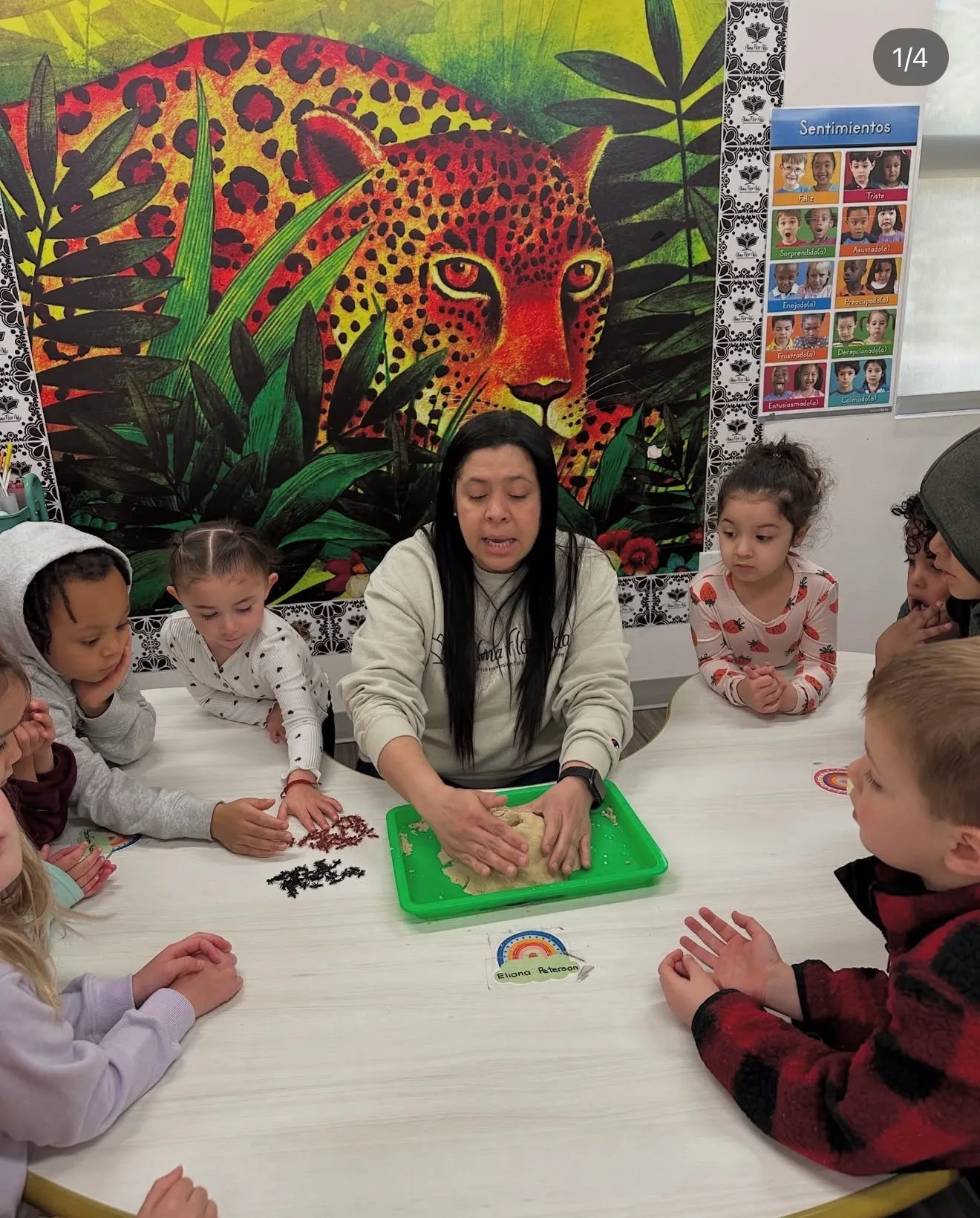
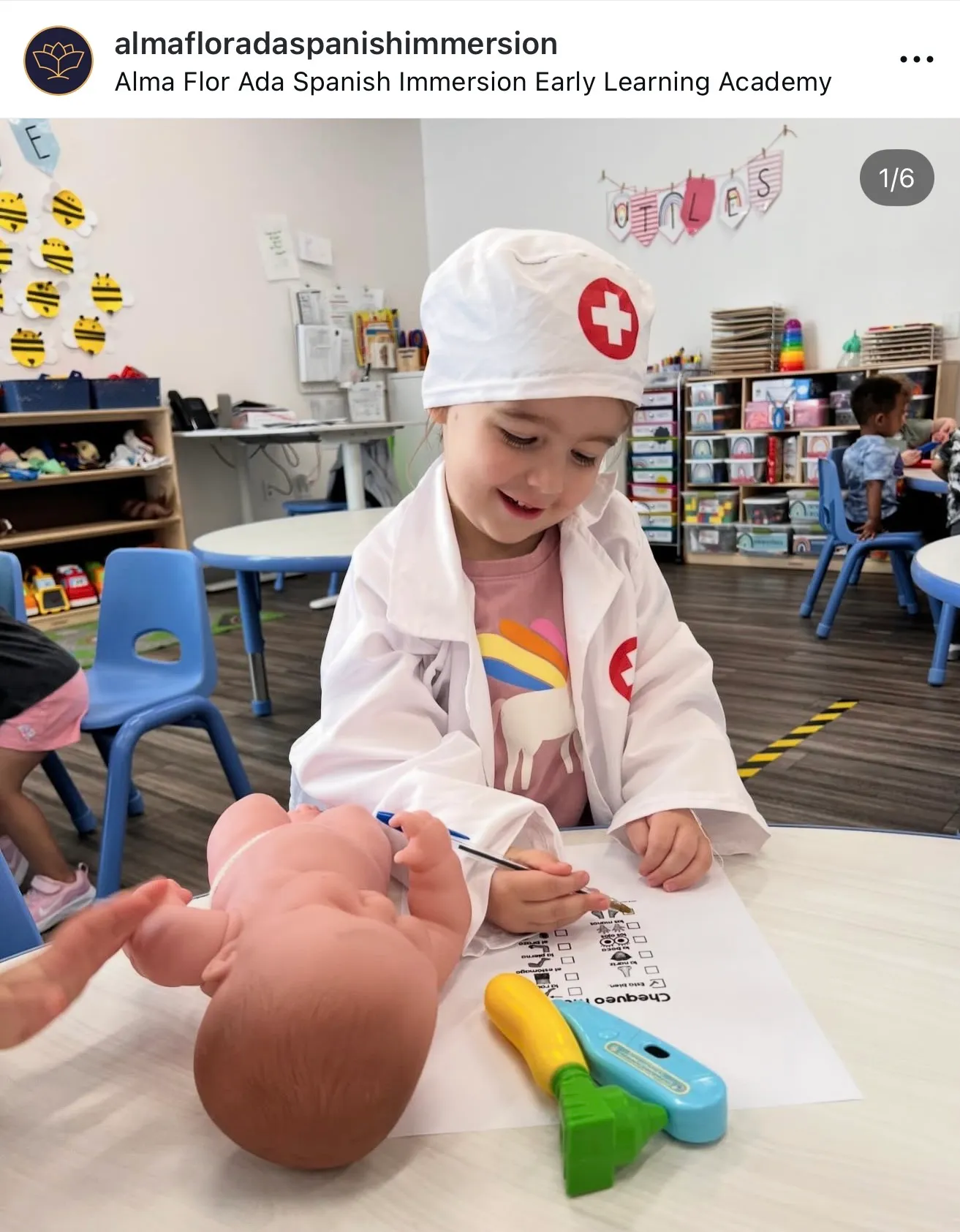
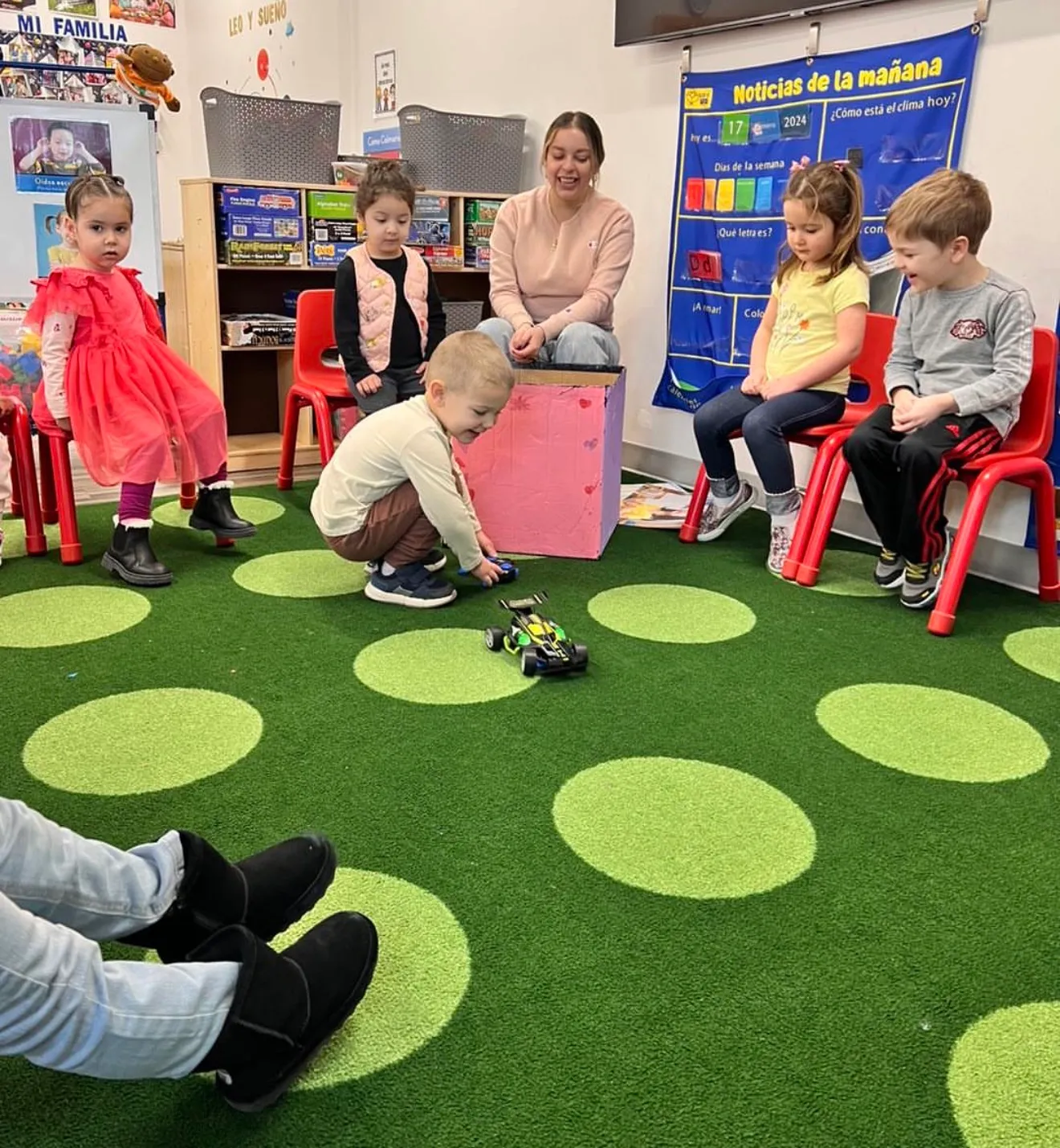
- Toddler and Preschool (16 months - Kindergarten): At this stage, we focus on play-based immersion. Programs like ours at Alma Flor Ada emphasize multi-lingual learning with native speakers, integrating Spanish into STEM activities and cultural play.
- Elementary (Ages 5 to 12): Many programs, such as those in Oaxaca, Mexico, offer weekly modules with small groups (often maxing out at 6 students). Activities include making piñatas, masks, and traditional dyeing workshops.
- Middle and High School (Ages 13 to 18): For older students, the focus shifts to fluency and academic growth. Some camps offer a 1:1 ratio with native-speaking peers of the same age to maximize social interaction.
- Adult and Family Options: Some families choose to learn together. Family weekend programs allow parents to participate in adult-level conversation courses while their children enjoy age-appropriate immersion activities.
According to Cognia, accredited programs ensure that the curriculum meets high educational standards, which is vital if you are looking for long-term academic benefits.
3. Choosing the Right Spanish Language Summer Camp Format
The “where” and “how” of a camp are just as important as the “what.” In Minnesota, we are fortunate to have access to world-class facilities that simulate authentic Spanish-speaking environments.
- Overnight Residence Camps: These are often set in beautiful natural locations, like the shores of Turtle River Lake in Bemidji. These camps often feature Spanish-style architecture, including central plazas and winterized cabins. They provide 24-hour immersion, including meals and evening “fogata” (bonfire) stories.
- Adventure Day Camps: Perfect for younger children (ages 6 to 11) who aren’t ready for overnight stays. These typically run from 9:00 AM to 1:00 PM or full-day sessions, focusing on games, crafts, and outdoor play.
- Virtual Conversation Courses: For those who can’t travel, virtual options provide 6-week sessions or intensive conversation blocks to keep skills sharp.
- Family Weekends: These programs involve at least one adult and one child, creating a shared cultural experience with traditional foods and music.
4. You Want to Earn Academic Credit or Career Skills
For high school students, a Spanish language summer camp isn’t just about fun, it’s about getting ahead. Many intensive programs are accredited, allowing students to earn a semester’s worth of language credit in just two weeks, or a full year’s worth in four weeks.
Finding a Spanish language summer camp for high school credit
These programs are rigorous. They often include:
- 25+ hours of instruction per week.
- Evaluation based on the Common European Framework of Reference (CEFR).
- Accreditation by Cognia, which allows for the transfer of Carnegie units to the student’s home high school.
This is an excellent option for students looking to free up their school-year schedule for other electives or for those aiming to demonstrate high-level proficiency on college applications.
5. You Value Cultural Authenticity and Global Travel
A true immersion experience goes beyond textbooks; it involves the “sights, sounds, and tastes” of the Spanish-speaking world. Whether the camp is located in the heart of Minnesota or in a historic 15th-century convent in Spain, cultural authenticity is the heartbeat of the program.
Campers often participate in:
- Cultural Workshops: Learning flamenco dance, Mexican cooking (like making tamales or gazpacho), and traditional music.
- Daily Traditions: Participating in a village “telenovela” (soap opera), soccer (fútbol) tournaments, and daily “canto” (singing) sessions.
- Authentic Dining: Meals aren’t just food; they are lessons. Students might try traditional desserts like churros or learn the cultural significance of the “plaza” during mealtime presentations.
For families in Minnesota, local camps often recreate these experiences by using native-speaking staff from countries like Spain, Mexico, and Argentina, ensuring the accents and traditions are authentic.
6. Safety and Personalized Attention are Top Priorities
We know that for parents, safety is the number one concern. High-quality Spanish language summer camp programs maintain strict supervision protocols.
- Staff-to-Camper Ratios: Look for programs that offer a low ratio, such as 1:8, to ensure every child receives personalized attention.
- Native-Speaking Mentors: Staff are often chosen not just for their language skills, but for their expertise in education and child safety.
- 24-Hour Supervision: For residential programs, counselors live in the cabins with the villagers, providing a safe and supportive environment around the clock.
- Health Protocols: Modern camps have clear procedures for dietary restrictions, medical needs, and emergency communications.
7. You Need a Program That Fits Your Budget and Schedule
Costs for a Spanish language summer camp can vary widely based on duration and location. However, there are many ways to make these programs accessible.
- Typical Fees: One-week youth programs may require a minimum registration fee of around $150, while two-week high school credit programs might have a $325 deposit.
- Scholarships: Many organizations offer need-based aid, such as the Passport Fund.
- Minnesota State Stipends: For local residents, there are often specific stipends (up to $1,000 in some cases) available for qualifying students to attend language programs.
- Registration Windows: Registrations for 2025 and 2026 typically open in the late fall or early winter. It is wise to book early, as popular sites (especially those with limited capacity like the “North Site” resorts) fill up quickly.
Frequently Asked Questions
What is typically included in the camp tuition?
When does registration usually open for 2025 and 2026?
Do students need prior Spanish knowledge to attend?
About the author
Lucilla Davila, Founder
Lucilla Davila is the founder of Alma Flor Ada Spanish Immersion Early Learning Academy. She built AFA to create the kind of nurturing, joyful, culturally rooted Spanish immersion environment she searched for as a parent and could not find. She leads the academy's vision of raising bilingual, kindhearted, kindergarten-ready children in Woodbury.
Curious about Spanish immersion for your child?
Schedule a tour of our Woodbury academy. We would love to show you around and answer your questions.