Choosing a Preschool
Daycare and Pre-K Near South St. Paul: What Parents Should Know
A guide to daycare and pre-K near South St. Paul, MN: the differences, what to look for, and how Spanish immersion gives children a head start.
Lucilla Davila
Founder
Finding a Pre-K Program in South St. Paul That Sets Your Child Up for Life
Pre-k program South St. Paul families can choose from includes several strong options:
| Program Type | Who It’s For | Cost |
|---|---|---|
| School Readiness | Ages 3+ with risk factors (low income, ELL, IEP, etc.) | Free or sliding fee |
| School Readiness Plus | Similar eligibility, extended services | Sliding fee |
| Voluntary Prekindergarten (VPK) | All 4-year-olds by Sept. 1 | Free (limited seats) |
| Community Preschool (SSP District) | Ages 3 to kindergarten | Contact district |
| Private/Center-Based | Varies by center | Fee-based, assistance available |
Choosing where your child spends their early learning years is one of the biggest decisions you’ll make as a parent. The years before kindergarten are not just about keeping kids busy, research consistently shows that early childhood is when the brain grows fastest and foundational skills take root. In South St. Paul and the broader Twin Cities metro, families have more options than ever: public school programs, community preschools, nature-based learning environments, and private centers, each with its own approach, eligibility rules, and price point.
The challenge isn’t finding a program. It’s finding the right one for your child.
This guide breaks down every major option clearly, what’s available, who qualifies, what it costs, and what to look for when comparing programs.
I’m Lucilla Dávila, an educational leader with nearly 30 years of experience in bilingual education, dual language immersion, and early childhood program design, including direct work shaping how districts approach pre-k program South St. Paul families rely on. My goal here is to give you the honest, practical breakdown you need to make a confident choice for your child.
Choosing the Right Pre-K Program South St. Paul for Your Child
When we look for a pre-k program south st paul, we aren’t just looking for childcare; we are looking for a launchpad. The South St. Paul Public School District and surrounding areas offer a diverse range of models designed to meet different family needs. From the state-funded School Readiness programs to community-based preschools, the goal is the same: ensuring every child enters kindergarten with the tools they need to thrive.
Choosing the right fit involves looking at several key features. Some families prioritize a schedule that mirrors the K-12 school year, while others need year-round care. Some look for a specific educational philosophy, like nature-based learning or language immersion. To help you narrow it down, we’ve put together a quick reference table of what to keep an eye on during your search.
| Key Feature | What to Look For |
|---|---|
| Curriculum | Is it research-based? Does it balance play with academics? |
| Teacher Credentials | Are teachers licensed in Early Childhood Education? |
| Ratios | Are class sizes small enough for individualized attention? |
| Family Support | Does the program offer parent education or resources? |
| Accreditation | Does the program hold a high Parent Aware rating? |
High-Quality Standards and Ratings
In Minnesota, we have a fantastic tool called Parent Aware. This rating system helps families identify programs using best practices to prepare children for kindergarten. Many programs in the South St. Paul area, including the district’s own preschool, hold a Four-Star Parent Aware rating. This is the highest possible score, indicating that the program uses a research-based curriculum, monitors child progress closely, and invests in highly trained, licensed teachers.
When you review a program’s handbook, look for details on classroom ratios. For example, high-quality Pre-K classrooms often cap enrollment at 20 children with at least two adults present, typically a licensed teacher and an assistant. This 1:10 ratio ensures that your child isn’t just a face in the crowd but receives the emotional and academic support they deserve.
Specialized Learning Environments
Beyond the standard classroom, South St. Paul families can explore specialized environments. Nature-based learning has gained significant popularity in the region. These programs emphasize outdoor exploration, where children use their natural curiosity to solve problems and think critically. Imagine a classroom where “science” happens by observing a beetle in the grass or tracking the change in seasons firsthand.
Other programs focus on a STEM (Science, Technology, Engineering, and Math) curriculum, introducing these concepts through hands-on play. Whether it’s building complex structures with blocks or experimenting with water flow, these environments foster independent learning and social skills. The goal is to build a child’s confidence so they see themselves as “capable learners” before they even step foot in an elementary school.
Educational Philosophies and Curriculum Standards
The philosophy behind a pre-k program south st paul dictates how your child will spend their day. Most high-quality programs in our area utilize “The Creative Curriculum” or similar frameworks. These are developmentally appropriate and play-based, meaning children learn through doing.
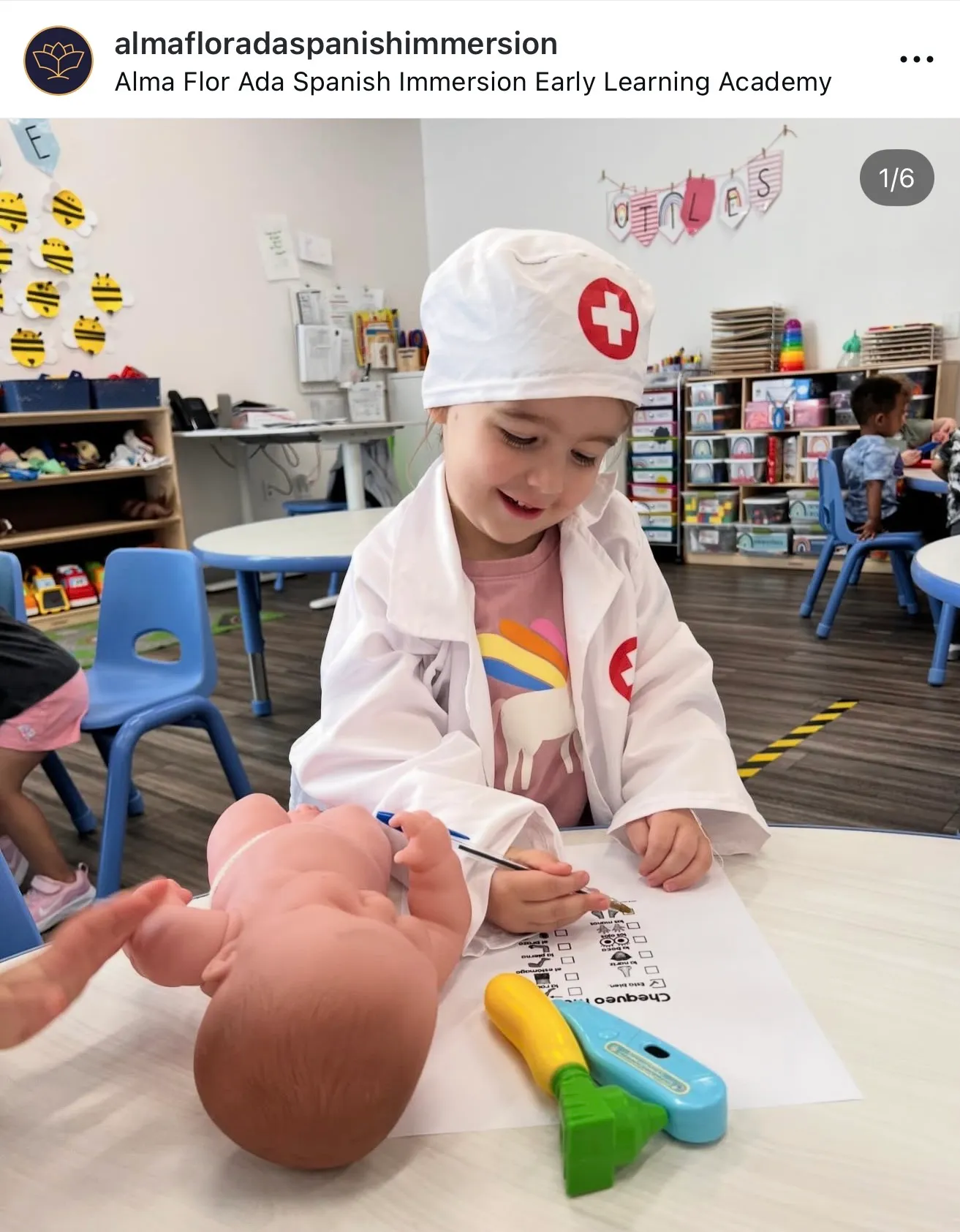
A common misconception is that “play-based” means there are no academics. In reality, a superb curriculum introduces literacy and math through thoughtful play. For example, a child “playing” store is actually practicing counting (math), categorizing items (cognitive development), and negotiating with “customers” (social skills). This approach ensures physical growth and cognitive development happen naturally and joyfully.
Social and Emotional Foundations
We believe that a child’s emotional well-being is the bedrock of all future learning. Many local programs use evidence-based frameworks, such as “The Incredible Years,” to teach social-emotional skills. These programs help children develop:
- Self-regulation: Learning how to manage big feelings.
- Peer interaction: How to share, take turns, and resolve conflicts.
- Confidence: The “I can do it” attitude that drives persistence.
- Curiosity: A lifelong love for asking “why?”
Literacy and Language Development
Preparing for kindergarten means building a strong foundation in communication. This includes vocabulary expansion, reading readiness (understanding how books work), and writing readiness (developing the fine motor skills needed to hold a pencil).
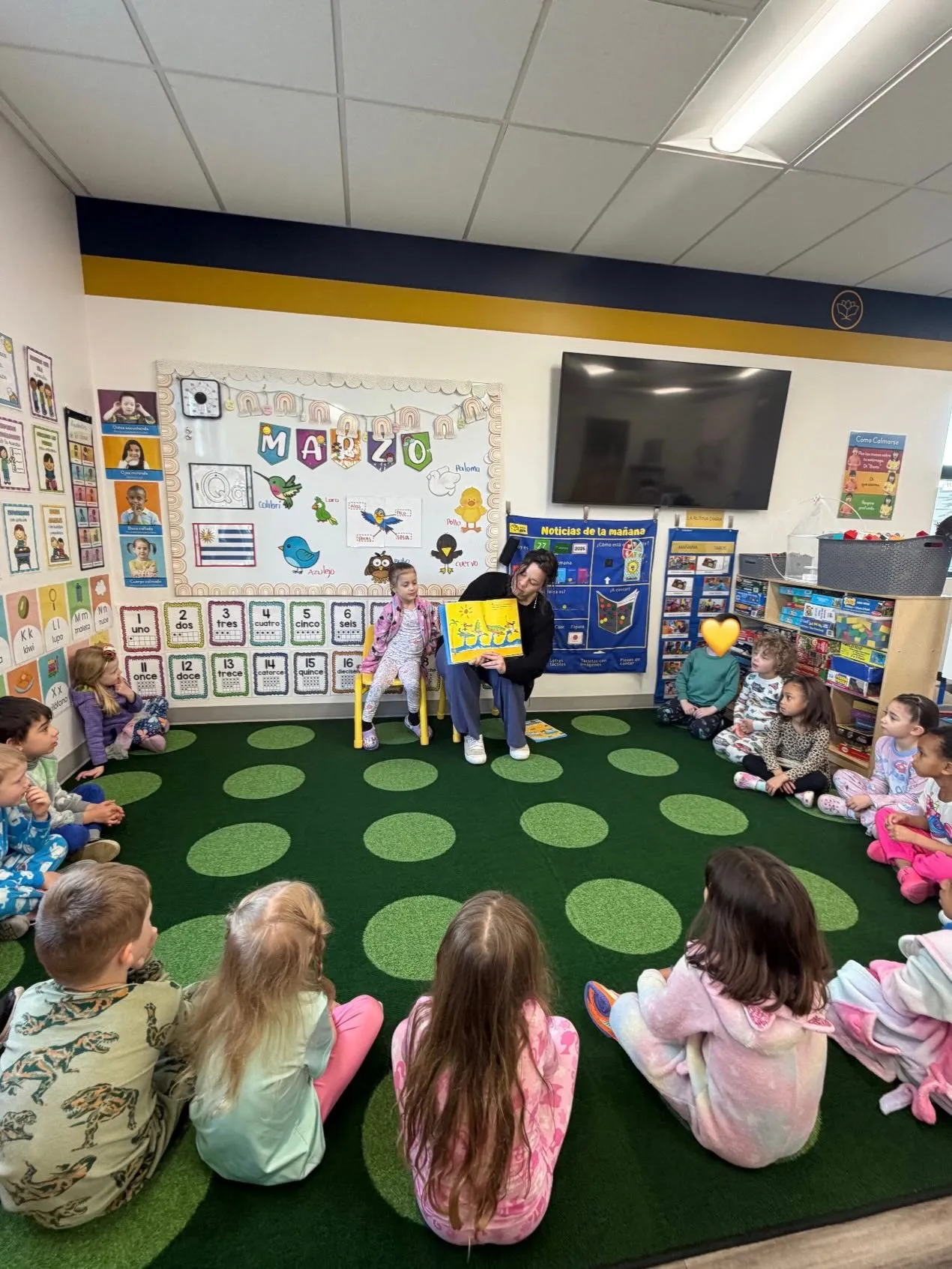
In our globalized world, there is also a growing interest in multi-lingual benefits. Research shows that children who are exposed to a second language early on develop greater cognitive flexibility and better problem-solving skills. While many programs focus on English literacy, seeking out environments with native speakers and cultural immersion can give your child a significant head start in both language and brain development.
Eligibility, Costs, and Financial Assistance
One of the most frequent questions we hear is about the cost of a pre-k program south st paul. The good news is that Minnesota offers several pathways to make early education affordable.
Publicly funded options like Voluntary Prekindergarten (VPK) are free for four-year-olds, though seats are often limited and prioritized based on specific risk factors. Other programs use a sliding fee scale, where the cost of tuition is based on your family’s income.
Eligibility Criteria for a Pre-K Program South St. Paul
Eligibility for public programs often depends on a few key factors:
- Age: Most programs require children to be 3 or 4 years old by September 1st.
- Residency: Programs within the South St. Paul Public School District generally require you to live within district boundaries.
- Risk Factors: Priority for free or low-cost seats is often given to English learners, children in foster care, families experiencing homelessness, or those with an Individualized Education Plan (IEP).
For families who don’t qualify for free public Pre-K, Early Learning Scholarships can be a lifesaver. These scholarships (Pathway 1 and Pathway 2) help pay for high-quality childcare and preschool at Parent Aware-rated programs.
Steps to Enroll in a Pre-K Program South St. Paul
Enrolling your child is a multi-step process, and it’s best to start early, often in January for the following fall.
- Research: Visit websites and Register online for the 2026-27 school year.
- Visit: Schedule a tour to see the classrooms and meet the staff.
- Documentation: Gather your residency verification, immunization records, and birth certificate.
- Application: You can often CLICK HERE TO ENROLL via the district’s portal or visit the Enrollment Center at 100 7th Ave N, SSP for hard copy forms.
- Screening: Ensure your child has completed their mandatory Early Childhood Screening.
Essential Early Childhood Services in South St. Paul
The journey toward kindergarten involves more than just classroom time. South St. Paul provides a network of services to support the “whole child.”
Early Childhood Screening
In Minnesota, Early Childhood Screening is a mandatory requirement before a child can start kindergarten in a public school. But don’t wait until age five! The best time for this screening is when your child turns three. This free service provides a valuable “snapshot” of your child’s development. It includes:
- Vision and hearing checks.
- Growth assessment (height and weight).
- Developmental review (speech, motor skills, and social-emotional growth).
- A personalized plan to build on your child’s strengths.
You can Click here to Schedule Early Childhood Screening to ensure your child is on the right track.
Family Education and Support
We know that parents are a child’s first and most important teachers. Programs like Early Childhood Family Education (ECFE) are designed for you and your child to attend together. These classes offer group play time for the kids and an adult discussion period for parents to cover topics like sleep, picky eating, and mental health. It’s a wonderful way to build community connections with other local families.
Transitioning to Kindergarten
The final goal of any pre-k program south st paul is a smooth transition to elementary school. This involves collaboration between Pre-K and kindergarten teachers to ensure academic alignment. When children graduate from a high-quality preschool, they enter “big school” with the social skills and academic confidence needed for immediate success.
Frequently Asked Questions
How do different pre-kindergarten program models, including School Readiness, compare?
At what age should I schedule my child's Early Childhood Screening?
What financial assistance or publicly funded options are available for pre-kindergarten in South St. Paul?
About the author
Lucilla Davila, Founder
Lucilla Davila is the founder of Alma Flor Ada Spanish Immersion Early Learning Academy. She built AFA to create the kind of nurturing, joyful, culturally rooted Spanish immersion environment she searched for as a parent and could not find. She leads the academy's vision of raising bilingual, kindhearted, kindergarten-ready children in Woodbury.
Curious about Spanish immersion for your child?
Schedule a tour of our Woodbury academy. We would love to show you around and answer your questions.