Bilingual Parenting
Do You Need to Speak Spanish at Home for Immersion to Work?
No, you do not need to speak Spanish at home for immersion to work. Here's why, plus simple ways any family can support a bilingual child.
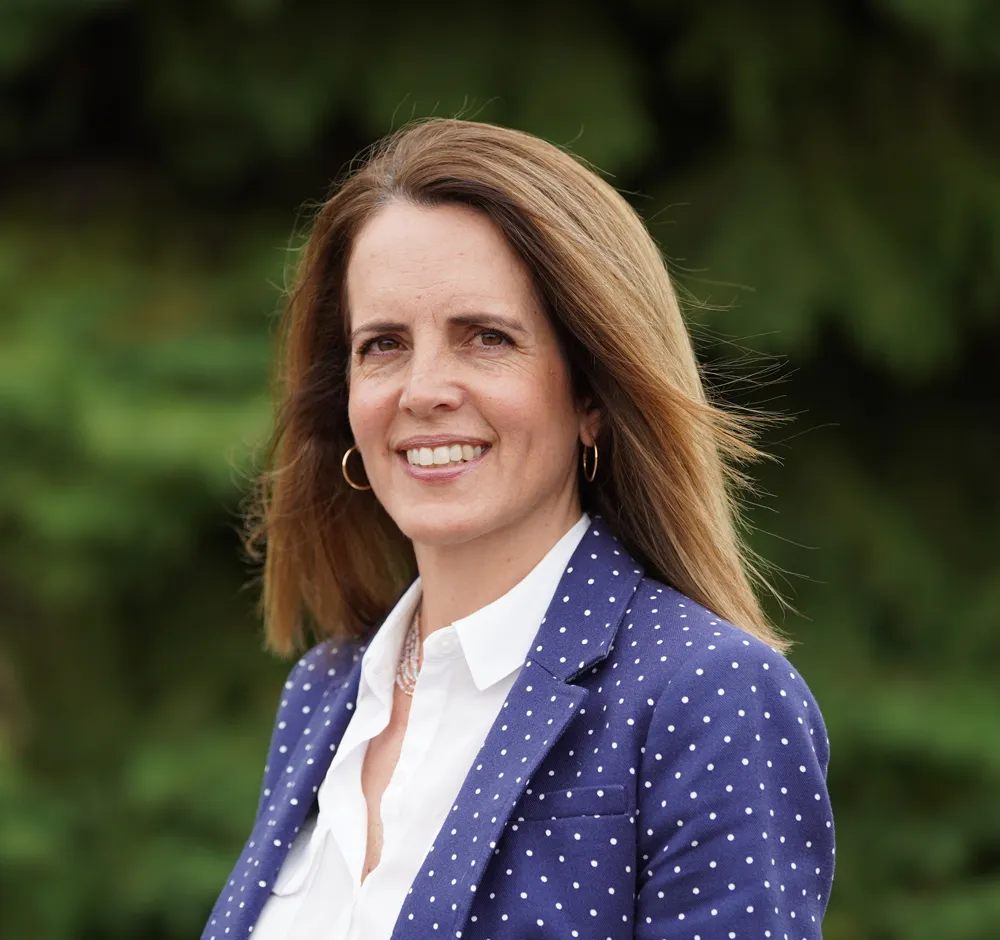
Juliana Capdevila
Parent Engagement Manager & Assistant Director
No, you do not need to speak Spanish at home for immersion to work. This is the single most common worry we hear from Woodbury families, and the answer is a confident no. Your child can become genuinely fluent in Spanish even if no one at home speaks a word of it, because the school provides the full language environment your child needs.
At Alma Flor Ada Spanish Immersion Early Learning Academy, many of our most fluent students come from homes where the first day of school was the first day anyone heard Spanish. Below is how that works, and what you actually can do at home to help.
Why does immersion work without Spanish at home?
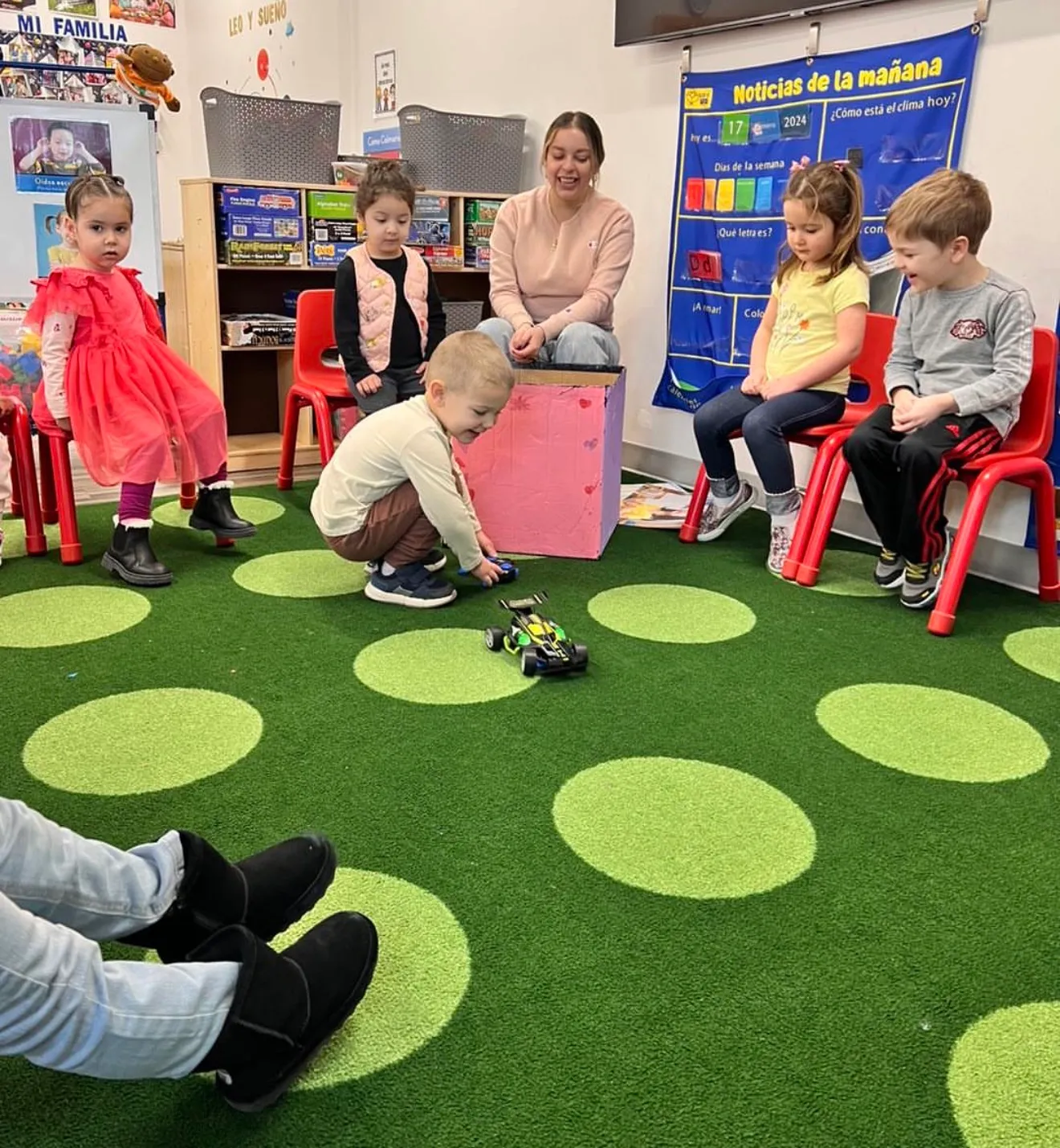
Immersion works because the school, not the home, supplies the complete Spanish environment. Children spend their day surrounded by native Spanish-speaking teachers, Spanish songs, Spanish stories, and Spanish routines. That immersion is what builds the language, not coaching at the dinner table.
Young children acquire language through exposure and relationships, the same way they learned their first words. They do not need a second source of instruction at home. They need consistent, meaningful exposure somewhere, and the classroom delivers exactly that for roughly 90 percent of the day. Your home can stay entirely in your own language and your child will still thrive. We explain the mechanics of this in How the 90/10 Spanish immersion model works.
It also helps to remember how much exposure adds up over a year. A child in full-day immersion spends thousands of hours immersed in Spanish through play, meals, songs, and conversation with native speakers. No amount of evening flashcards at home could match that, and the good news is that nothing at home needs to. The classroom is doing the heavy lifting, and doing it the way young brains learn best.
What can I actually do at home to help?
Your job at home is to support and celebrate, not to teach Spanish. The most powerful thing you can do is keep your child excited about learning and confident that both their languages matter. A warm, encouraging home does more for a bilingual child than any flashcard ever could.
Here are simple, genuinely helpful things any parent can do:
- Read to your child in English. Strong literacy in any language builds skills that transfer to the other. Keep reading together in the language you know best.
- Sing and play. Music and play strengthen language and memory. You do not need Spanish songs, though your child may happily teach you some.
- Celebrate progress. When your child shares a new word or song, react with delight. Enthusiasm fuels motivation.
- Let your child teach you. Ask them how to say a word, then let them be the expert. This builds pride and reinforces what they are learning.
What should I avoid doing?
Avoid quizzing and pressure. The fastest way to make a child clam up about Spanish is to put them on the spot with “How do you say dog? What about cat? Say something in Spanish for grandma.” Performance pressure turns a joyful language into a test.
Instead, let Spanish surface naturally. Some days your child will chatter in Spanish, other days they will not mention it at all, especially during the early receptive stage when they understand far more than they say. Both are normal. Stay relaxed and curious, follow your child’s lead, and let the language come out on its own timeline.
It also helps to drop any worry that you need to correct your child’s Spanish. You do not, and trying to can backfire by making the language feel like work. Their teachers handle the language modeling at school. At home, your warmth and interest are what keep the door open, so a simple “I love hearing you say that” goes much further than a correction.
What about families who already speak Spanish?
If Spanish is your home language, immersion is a wonderful fit, and you have a real gift to offer. Keep speaking Spanish at home with confidence. Heritage families help children build vocabulary, cultural pride, and a deep emotional connection to the language.
A couple of reassurances for Spanish-speaking and bilingual households:
- Your home Spanish and the classroom Spanish reinforce each other, even if the accents or regional words differ. Variety enriches a child’s understanding.
- You do not have to choose between languages. Continue speaking Spanish at home while your child develops English through school and the wider community. Both will grow.
Whether your family is English-only, Spanish-speaking, or somewhere in between, the school meets your child where they are. As we like to say, tu familia es nuestra familia.
Should I try to learn Spanish too?
You are welcome to, but it is not required. Some parents enjoy picking up words alongside their child, and it can become a sweet shared adventure. Others stick entirely with English, and their children do just as well.
If you do want to dabble, the lowest-pressure approach is to let your child lead. Ask them to teach you the colors, the numbers, or a song from school. You will learn a little, your child will feel proud, and you will both have fun. What you should not do is feel guilty or anxious about your own Spanish. Your fluency, or lack of it, has no bearing on your child’s success.
Will hearing two languages confuse my child?
No. This is a persistent myth, and the research consensus among language experts is clear: young children are fully capable of learning two languages at the same time without confusion. Their brains are built for it.
You may notice your child mixing words from both languages in a single sentence, something like “I want más leche.” This is called code-switching, and it is a completely normal, healthy stage. It is not a sign of confusion. It actually shows your child has two languages available and is figuring out which words belong where. Over time, they naturally sort the two systems apart. You can read more about what to expect in our admissions FAQ, and explore the wider payoff in the benefits of bilingualism for young children.
The bottom line is freeing: you do not need to change a thing about the language you speak at home. Schedule a tour of our Woodbury academy to see how immersion gives your child a second language, no Spanish required on your end.
Frequently Asked Questions
We only speak English. Can my child still become fluent?
Should I learn Spanish too?
How can I support immersion at home?
Will hearing two languages confuse my child?
About the author
Juliana Capdevila, Parent Engagement Manager & Assistant Director
Juliana Capdevila is the Parent Engagement Manager and Assistant Director at Alma Flor Ada Spanish Immersion Early Learning Academy. Originally from Buenos Aires, Argentina, she is a native Spanish speaker and has lived in Woodbury, Minnesota for 19 years with her husband and two daughters. She holds a Bachelor's degree in Marketing and brings experience in nonprofit work, family relocation support, and business management. Juliana works closely with AFA families every day, helping them understand the immersion program and supporting their children's bilingual journey.
Curious about Spanish immersion for your child?
Schedule a tour of our Woodbury academy. We would love to show you around and answer your questions.