Early Learning
Starting Spanish Immersion at 16 Months: What to Expect
Starting toddler Spanish immersion at 16 months is an ideal time to begin. Here is what a day looks like, how language develops, and how separation is supported.
Melissa Thaemert
School Director
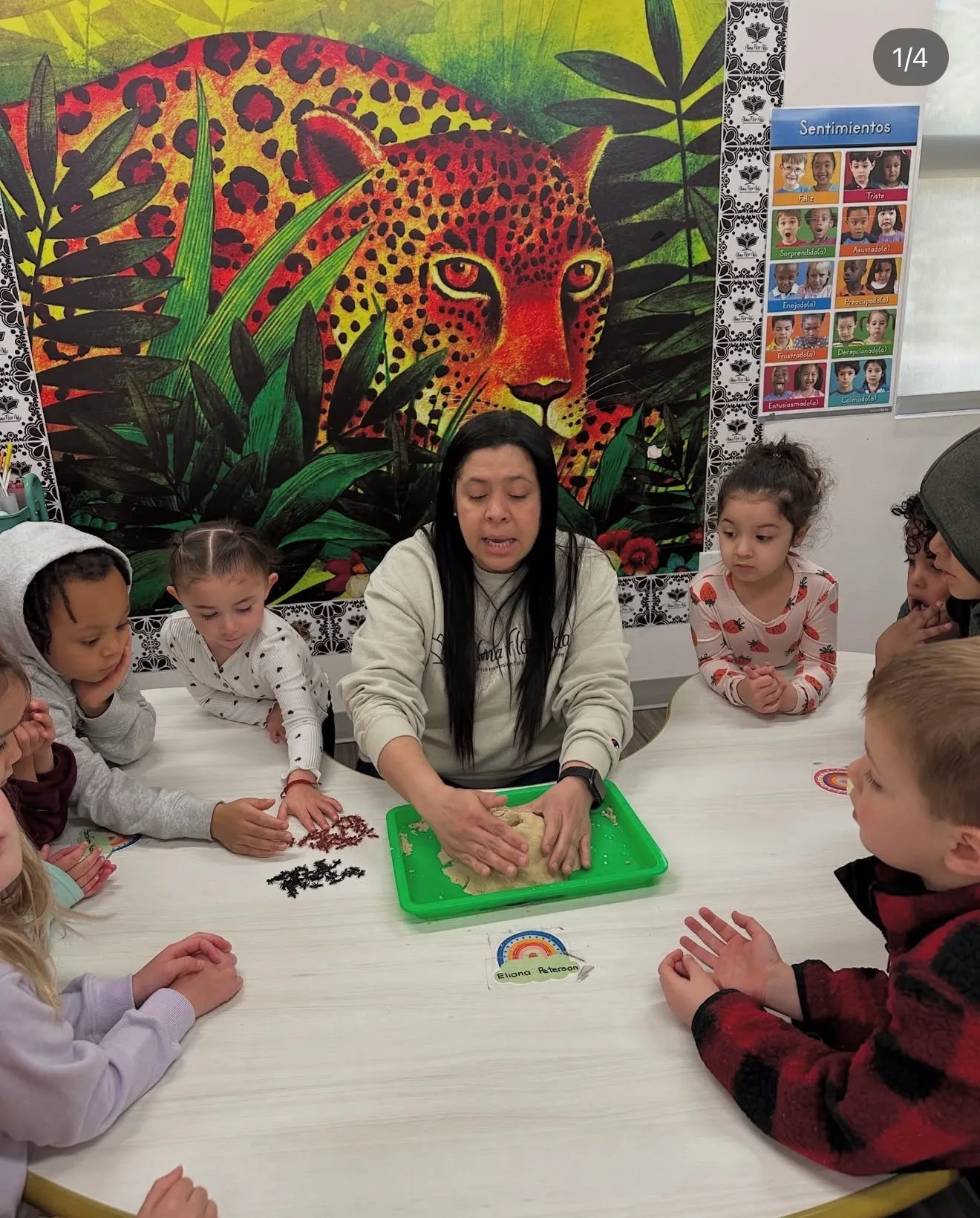
Starting toddler Spanish immersion at 16 months is not too early. It is, in fact, an ideal time to begin. At this age children are in a natural window for language, soaking up sounds and meaning through play and relationships rather than instruction. With nurturing teachers, low ratios, and gentle routines, most toddlers settle in beautifully and begin building Spanish the same way they built their first words at home.
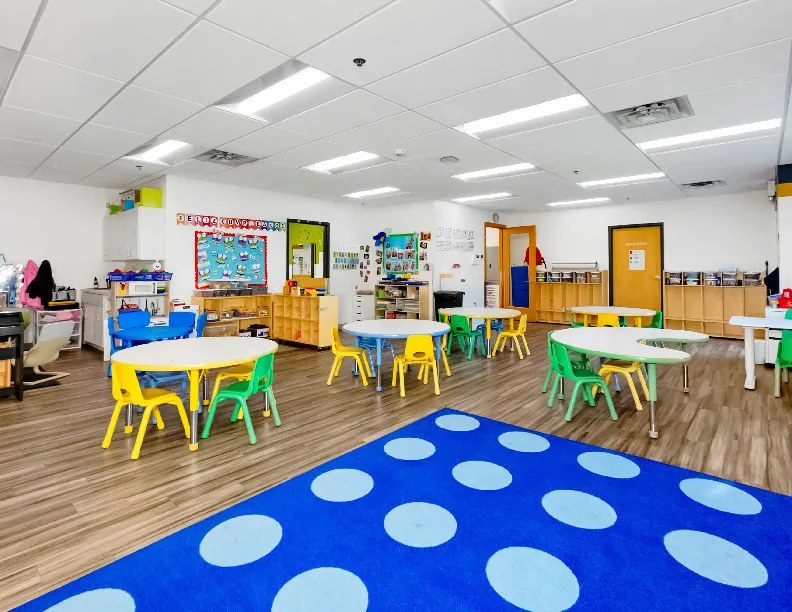
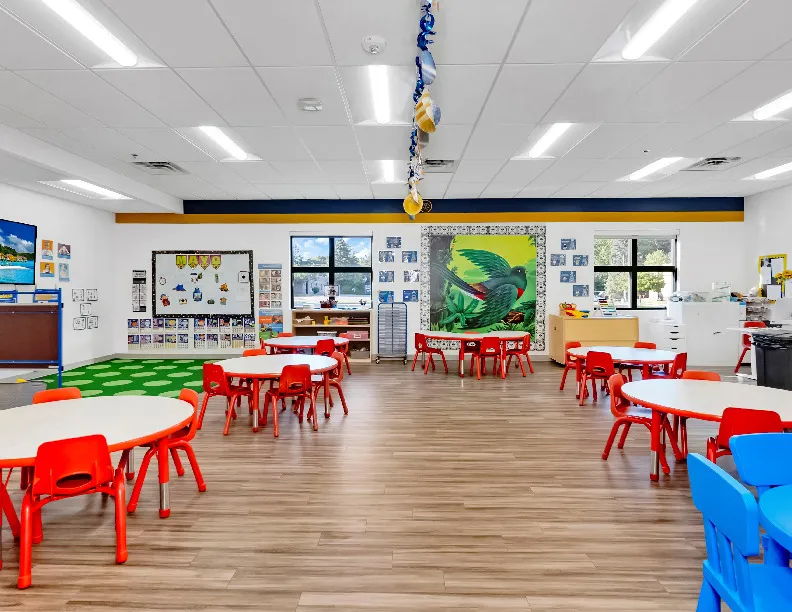
At Alma Flor Ada Spanish Immersion Early Learning Academy in Woodbury, our Early Pre-K classroom is built specifically for this stage. Here is exactly what families can expect when their toddler starts.
Why is 16 months to 2 years an ideal time to start?
The toddler years are a prime window for language because young children are wired to absorb it effortlessly. At 16 months, a child is already learning their first words at a remarkable pace, and an immersion environment simply adds a second language to that natural process.
This is the age our Early Pre-K program, Level 101 is designed around. It serves children from 16 months to 2 years and treats this stage as the true beginning of a bilingual journey, built on play, music, and bilingual routines rather than worksheets.
Starting now means a child grows up experiencing Spanish as a normal, everyday part of life, not as a subject to study later. That early, low-pressure exposure is exactly what makes lifelong fluency so much easier.
What does a toddler’s immersion day look like?
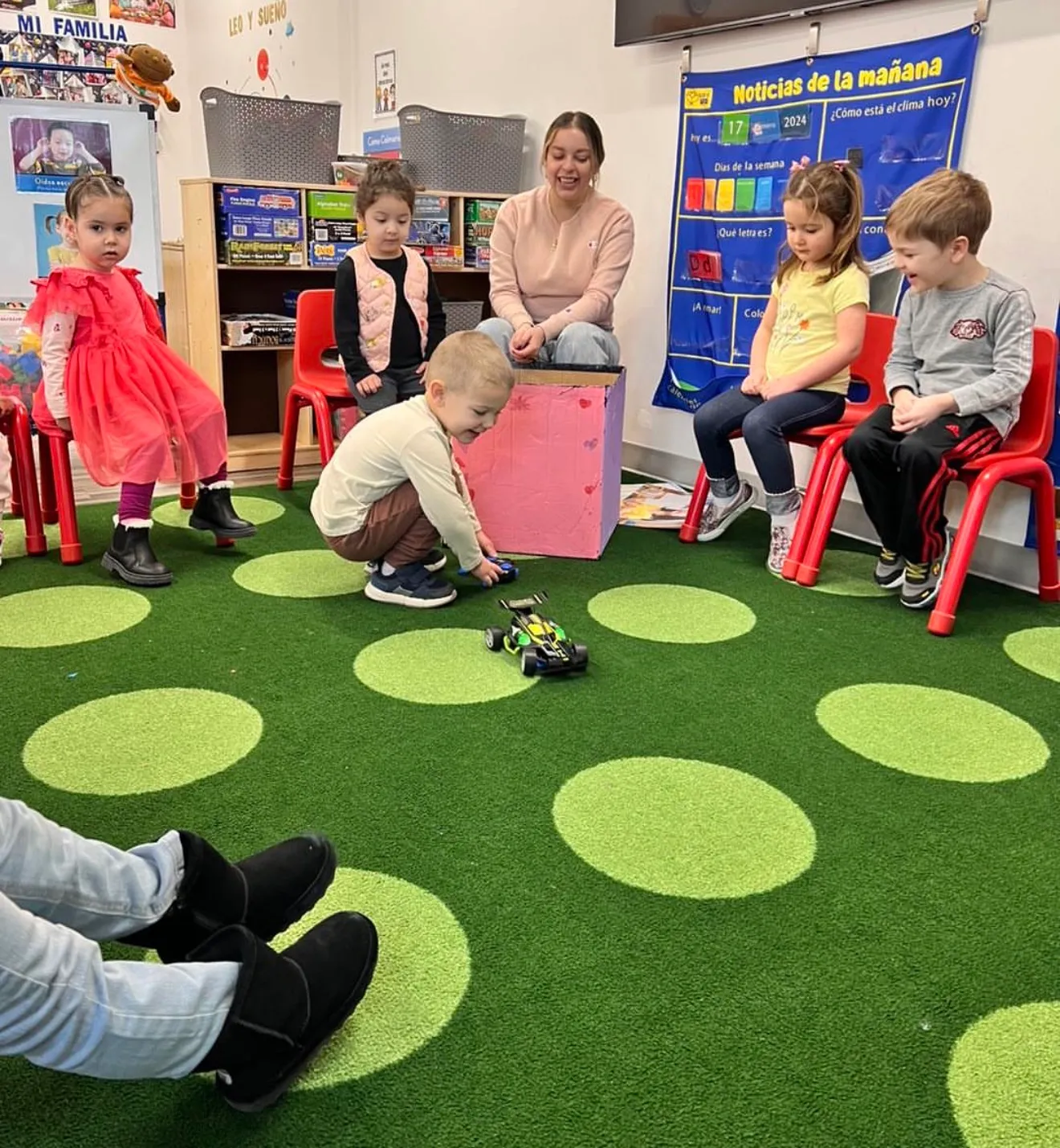
A toddler’s day is full of play, songs, snacks, movement, naps, and gentle structure, all happening in Spanish. There are no flashcards or formal lessons. Instead, language is woven into everything the children are already doing.
A typical day includes:
- Play and exploration. Toddlers learn through hands-on play, and teachers narrate it in Spanish as it happens.
- Songs and movement. Music and simple, repetitive songs are some of the fastest ways toddlers pick up new words.
- Routines. Handwashing, snack time, clean-up, and nap follow consistent rhythms, so children learn the words by living them every day.
- Care and comfort. Diapering, feeding, naps, and plenty of cuddles are part of the day for our youngest learners.
Our core hours run from 8:00 a.m. to 3:30 p.m., with before care from 6:30 a.m. and after care until 6:00 p.m. for families who need it, and snacks and lunch are included. To see this rhythm in more detail, read a day in the life of Spanish immersion.
How does language learning work at this age?
At 16 months, understanding comes well before speaking, in both languages. Your toddler is absorbing far more Spanish than they can yet say, building a rich foundation of comprehension that speech is built on later.
This is why a quiet period is completely normal and healthy. Many new immersion toddlers go through a stretch where they listen, watch, and understand but do not yet produce much Spanish out loud. It is not a sign of confusion or struggle. It is the brain doing exactly what it should.
Speech tends to emerge first as single words and bits of songs, often within the first few months, then grows steadily as comprehension deepens. Because our 90/10 immersion model reserves about 10 percent of the day for English, used only for clarity or reassurance, no toddler is ever left feeling lost while their Spanish develops.
How does the school support separation and transitions?
We support separation with consistency, warmth, and a gradual, predictable approach. For many of our 16-month-old families, this is their child’s first experience with school, and we treat that first transition with real care.
Toddlers feel safe through routine and relationship, not through language, so our teachers focus on building trust. They keep the daily rhythm steady, learn each child’s comfort signals, and partner closely with parents on naps, feeding, and any specific needs. A familiar song, a favorite comfort item, and a teacher who greets your child the same way each morning do more to ease a transition than any words could.
For first-time-school families especially, we keep communication open so you know how your child’s day actually went. Easing in slowly and consistently is what turns nervous first mornings into confident routines.
What do parents typically notice in the first few months?
In the first months, most parents notice their toddler settling into the routine, then starting to sprinkle Spanish words and songs into life at home. A child might count to a number in Spanish, name a color, or hum a classroom tune they have clearly heard many times.
Just as common, parents notice their child is happy to go to school and comfortable with their teachers. That sense of security is the real foundation, because a toddler who feels safe is a toddler who is free to learn.
You do not need to speak Spanish at home for any of this to happen, and you do not need to quiz your child. Celebrating the words they bring home is more than enough.
Is my toddler getting enough individual attention?
Yes. Our Early Pre-K classroom is built around low ratios and nurturing care, because toddlers need close, responsive relationships to thrive. Smaller groups mean teachers can tune in to each child, respond quickly to needs, and give the warmth this age depends on.
That attentive, loving care is what allows immersion to work at 16 months. The Spanish is the goal, but the comfort and connection come first.
If you are considering starting your toddler in immersion, the best way to feel confident is to see our Early Pre-K room in person. Schedule a tour of our Woodbury academy at 8420 City Centre Drive, or call us at 651-999-3952, and we will walk you through exactly what your toddler’s day would look like.
Frequently Asked Questions
Is 16 months too young to start Spanish immersion?
Will my toddler be upset in a Spanish-only classroom?
How do you handle naps, diapers, and separation?
When will my toddler start speaking Spanish?
About the author
Melissa Thaemert, School Director
Melissa Thaemert is the School Director at Alma Flor Ada Spanish Immersion Early Learning Academy in Woodbury, Minnesota. She is a Minnesota educator with 24 years of experience as an elementary teacher, instructional coach, and administrator, and has served as an elementary administrator for the past nine years. She holds advanced degrees in educational leadership, professional studies, adult learning, and elementary education.
Curious about Spanish immersion for your child?
Schedule a tour of our Woodbury academy. We would love to show you around and answer your questions.