Choosing a Preschool
Preschool vs Daycare: What Is the Difference?
Preschool vs daycare: learn the real difference in curriculum, age, and goals, and how to choose the right fit for your child in Woodbury, Minnesota.
Melissa Thaemert
School Director
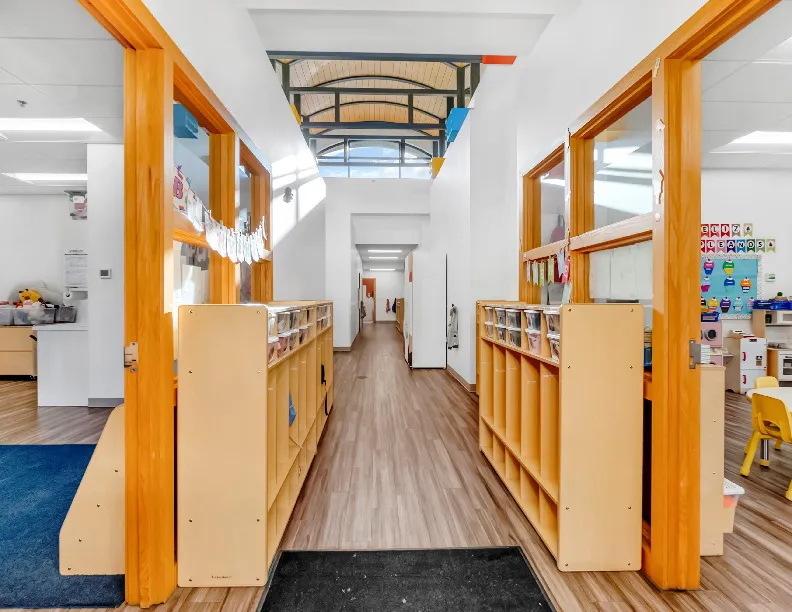
If you have searched preschool vs daycare while comparing options in Woodbury, you have probably noticed the words get used as if they mean the same thing. They do not. The difference comes down to purpose. Daycare exists to keep your child safe and cared for while you work. Preschool exists to teach, using a planned curriculum that prepares children for kindergarten. Understanding that distinction helps you choose with confidence rather than guessing.
The good news is that you do not have to pick between dependable care and real learning. The strongest early childhood programs deliver both. Here is how the two compare, and how to tell which one your child actually needs.
What is the difference between preschool and daycare?
The core difference is the goal. Daycare is built around care. Preschool is built around learning.
Daycare, often called child care, provides supervised care so parents can work or attend to other responsibilities. Centers typically accept a wide age range, sometimes from as young as six weeks through school age, and the day centers on a safe, nurturing routine. Children spend time in supervised free play, outdoor activities, meals, and rest. Some daycares add structured activities like arts and crafts or circle time, but there may not be a formal curriculum guiding the day.
Preschool is an early education program, usually for children between about two and a half and five years old. Preschools follow a planned curriculum, often grounded in a research-based approach, and each day is organized around intentional learning objectives. Teachers plan activities that build early literacy, math concepts, scientific thinking, and creative expression, and children practice skills like recognizing letters, counting, working in groups, and following multi-step directions.
Put simply, both keep your child safe, but only one is designed to teach on purpose.
How do the daily activities compare?
In a typical daycare day, the rhythm is care first: arrival, play, snack, outdoor time, lunch, nap, and pickup. Learning can happen naturally through play, which is genuinely valuable, but it is usually not mapped to specific developmental goals.
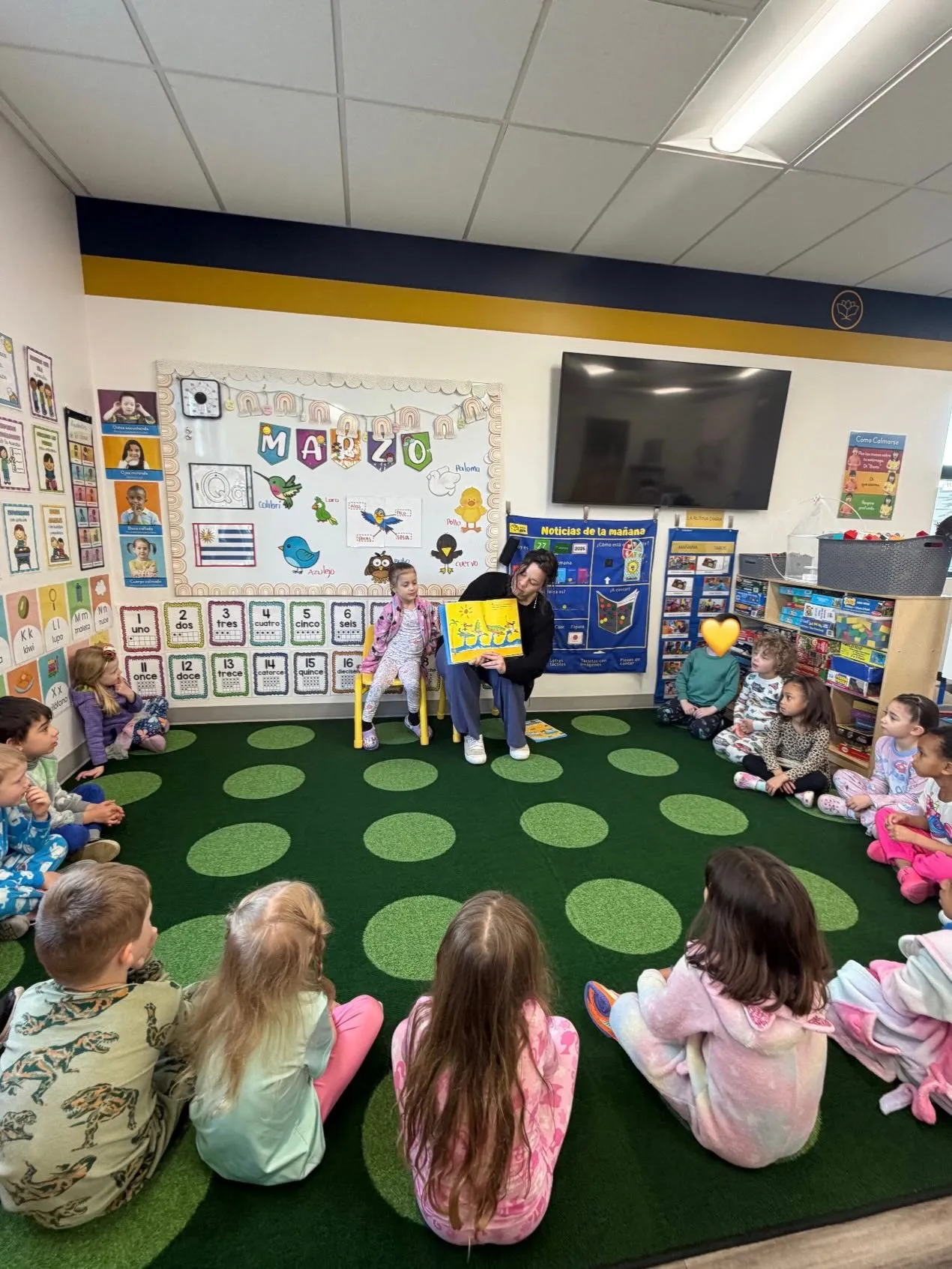
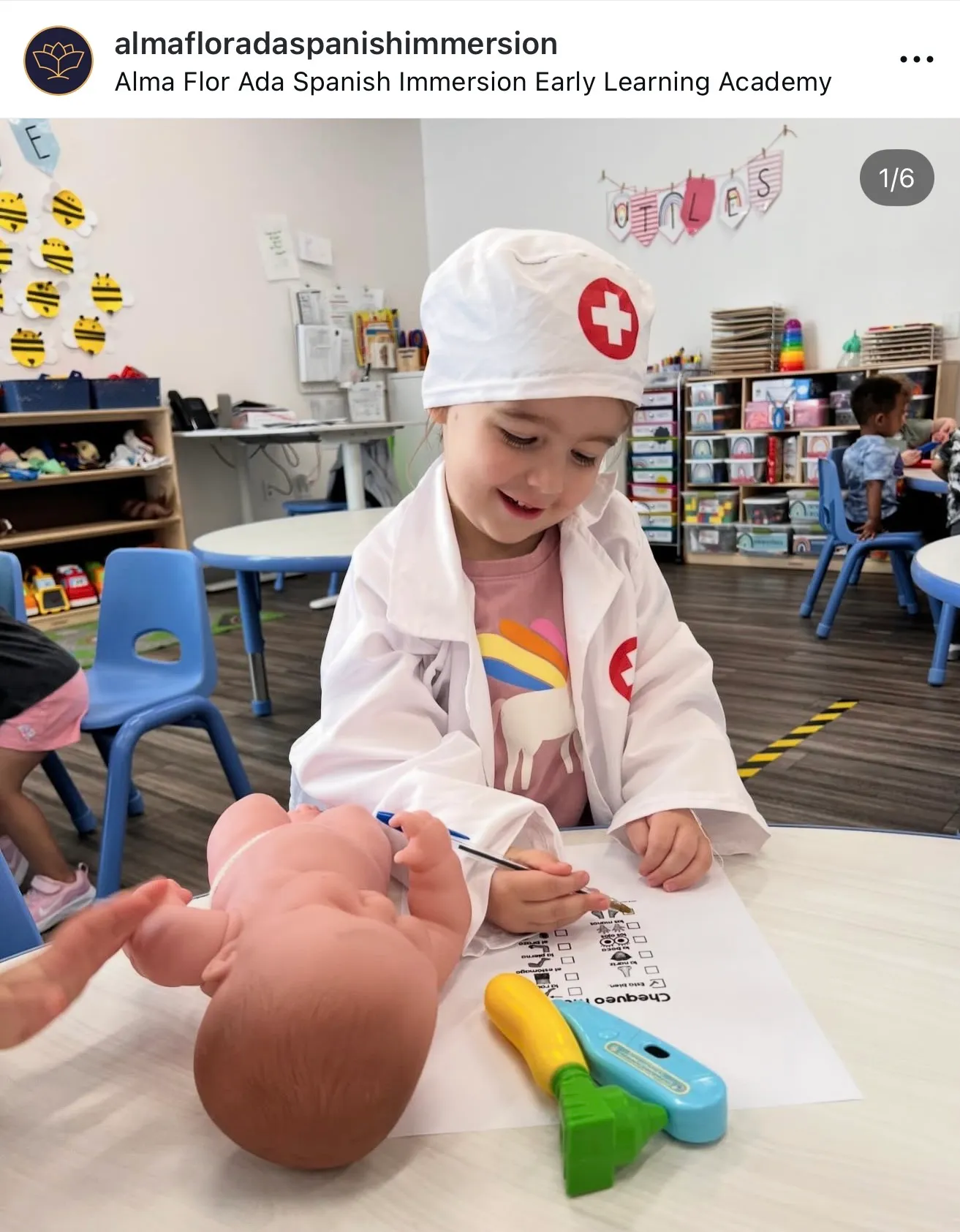
A preschool day is built around learning objectives woven into play. A morning might include a read-aloud that develops vocabulary, a counting game that introduces math, a sensory station that invites scientific observation, and group time that strengthens listening and cooperation. The activities still look and feel like play to your child, which is exactly how young children learn best, but each one has a purpose behind it.
This is where structure pays off. A structured environment promotes attention skills and cooperative behaviors, and research links it to measurable gains in kindergarten readiness. Because children are grouped within a similar age range, teachers can tailor lessons to developmental milestones and guide children through cooperative play, problem-solving, communication, and self-regulation.
Which one prepares a child for kindergarten?
Preschool is the program designed for kindergarten readiness, and for a child who will start kindergarten within a year or two, that intentional preparation matters.
Kindergarten asks a lot of a five-year-old. Children need to sit for a short lesson, follow multi-step directions, take turns, recognize letters and numbers, and separate from a parent without distress. A quality preschool builds those exact muscles every day. Teachers plan around literacy, early math, fine motor skills, and the social and emotional habits that help a child thrive in a classroom.
Daycare supports development too, especially social and emotional growth through consistent caregiving and frequent peer interaction. Those are real benefits. But unstructured care alone does not deliberately build the academic and self-regulation skills that a curriculum-driven preschool targets.
If you want a closer look at the questions that separate a strong program from a weak one, our guide on what to look for in a Spanish immersion preschool walks through the checklist worth bringing to every tour.
Is preschool worth it, or is quality what really matters?
Here is the part most comparison articles skip: the quality of a program matters far more than what it is called. A well-run daycare with trained teachers and intentional activities can outperform a preschool that calls itself educational but runs on free play alone.
That is why the smartest question is not simply “preschool or daycare.” It is “how good is this specific program?” When you visit, look past the label and ask:
- Is there a real curriculum with a clear progression, or just a loose schedule?
- Are teachers trained in early childhood education and child development?
- What are the teacher-to-child ratios?
- Is the program licensed, and how does it handle health and safety?
- Do the children look engaged, secure, and happy?
National organizations reinforce this. The NAEYC program standards, a widely respected benchmark for early childhood quality, focus on relationships, curriculum, teaching, and qualified staff rather than whether a program wears the daycare or preschool name. Quality is the real signal.
The best of both: full-day care with a real curriculum
For many working families, the daycare versus preschool choice feels like a tradeoff between reliable hours and genuine learning. It does not have to be. Many high-quality programs combine full-day care with a research-based curriculum, so children receive dependable, all-day care and structured, developmentally appropriate learning at the same time.
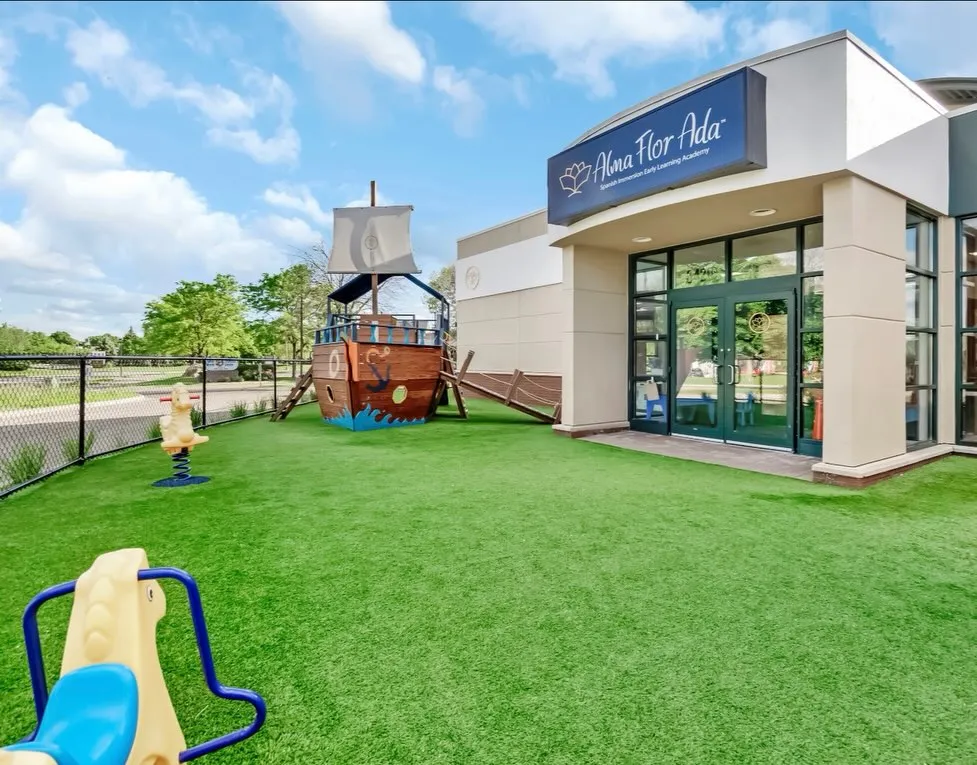
This is the model we built at Alma Flor Ada Spanish Immersion Early Learning Academy in Woodbury. We offer full-day care that fits a working parent’s schedule, paired with an intentional Spanish immersion curriculum organized into a five-level system from ages 16 months through Kindergarten. Children are cared for warmly all day, and they are also learning, gaining early literacy and math skills, social and emotional confidence, and a second language through our 90/10 immersion model.
Our program pages lay out how each level is designed for a specific stage of development, so the day is never just supervision. It is purposeful, native Spanish-speaking instruction wrapped in the kind of nurturing care every young child needs.
Families do not have to choose between a safe place for their child and a place where their child grows. The right program offers both.
Choosing what fits your family
Start with your child. A young toddler may simply need consistent, attentive care and a gentle routine. A child approaching kindergarten benefits from the structure and skill-building of a real curriculum. Then weigh your practical needs, including hours, location, and budget, and judge each program on its actual quality rather than its name.
If you are comparing options in the East Metro, we would love to show you what full-day care paired with true Spanish immersion looks like in person. You will see the curriculum in action, meet our native-speaking teachers, and get a feel for the warmth of the classrooms.
Schedule a tour and come see the difference for yourself. We are happy to answer every question, including the ones this article could not.
Frequently Asked Questions
Is preschool the same as daycare?
At what age should my child move from daycare to preschool?
Is preschool worth it compared to daycare?
Does a daycare or preschool need to be licensed in Minnesota?
About the author
Melissa Thaemert, School Director
Melissa Thaemert is the School Director at Alma Flor Ada Spanish Immersion Early Learning Academy in Woodbury, Minnesota. She is a Minnesota educator with 24 years of experience as an elementary teacher, instructional coach, and administrator, and has served as an elementary administrator for the past nine years. She holds advanced degrees in educational leadership, professional studies, adult learning, and elementary education.
Curious about Spanish immersion for your child?
Schedule a tour of our Woodbury academy. We would love to show you around and answer your questions.