Parent Tips
From Pre-K to Kindergarten: Helping Your Child Make the Leap
A warm, practical guide to the transition to kindergarten for Woodbury families, with research-backed ways to help your child feel ready and confident.
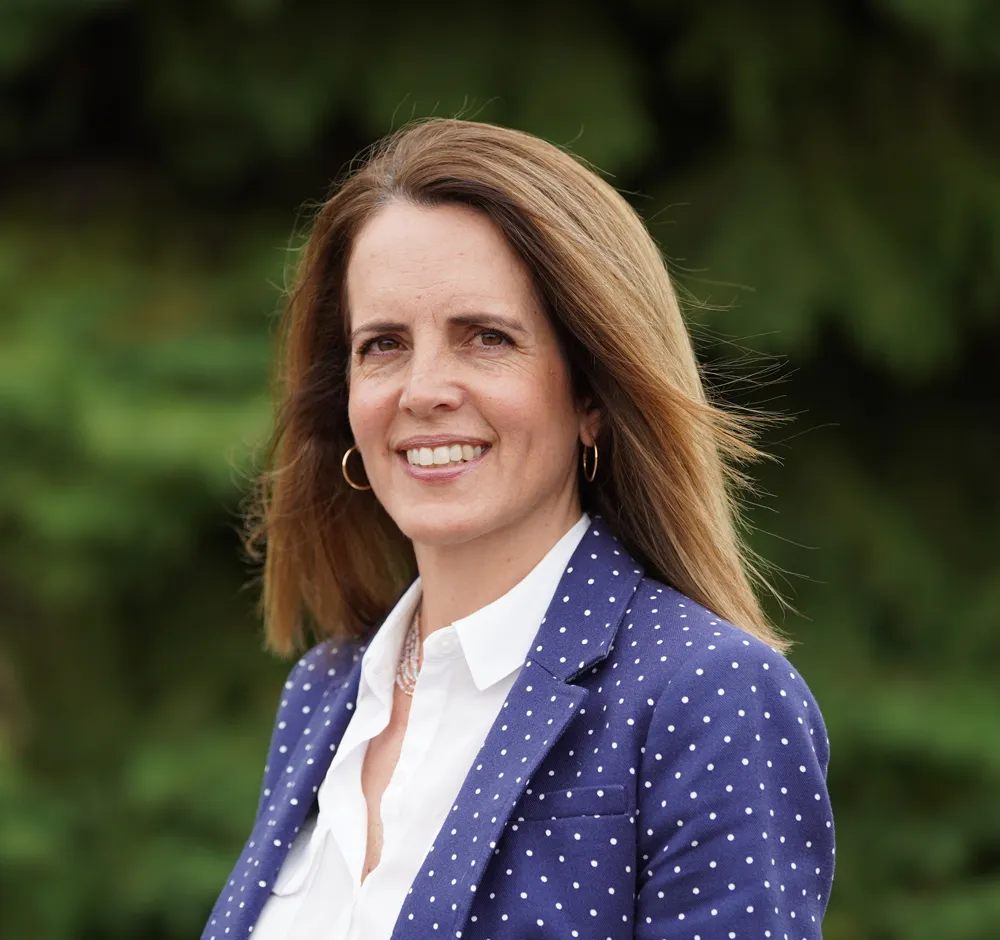
Juliana Capdevila
Parent Engagement Manager & Assistant Director
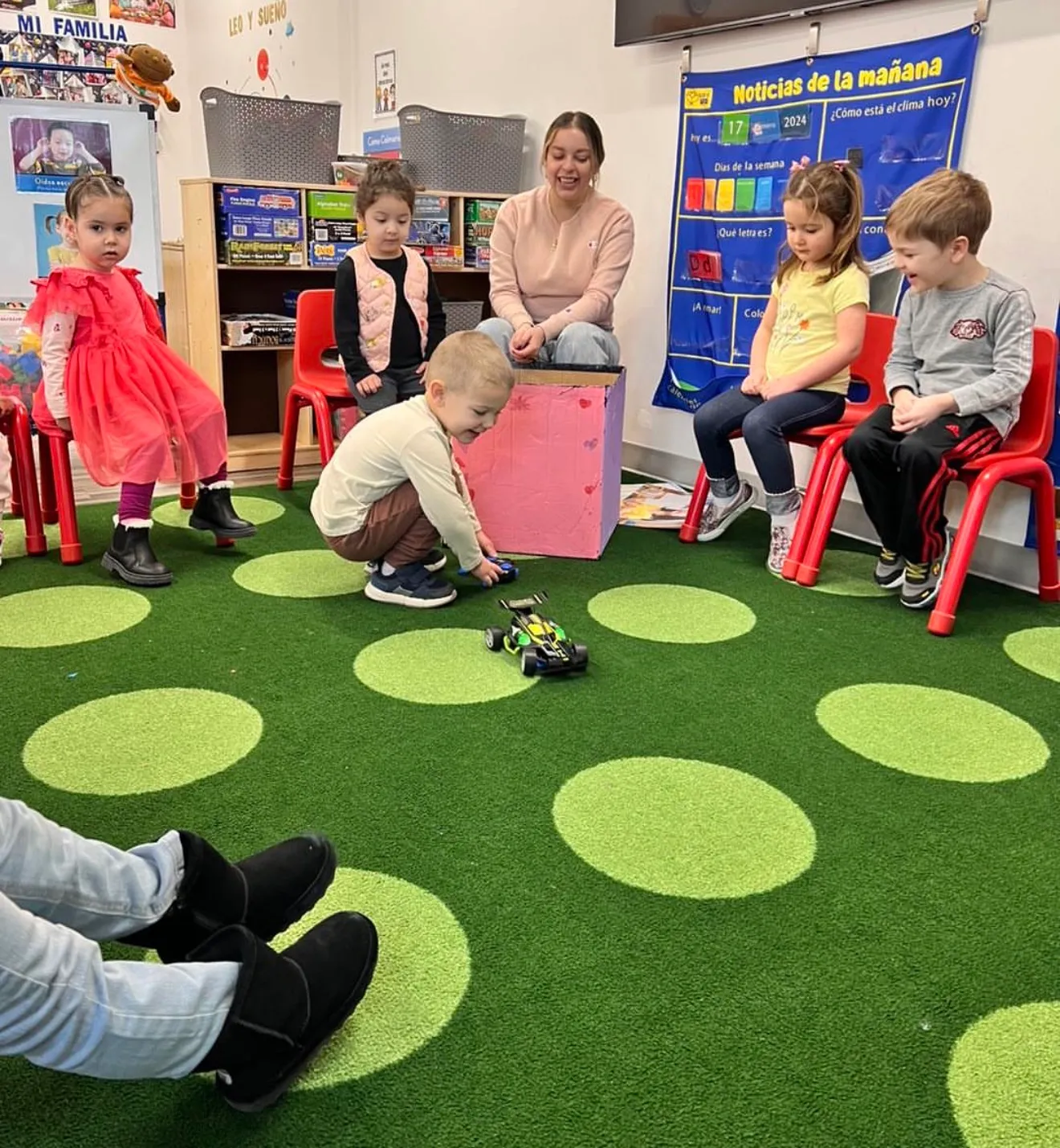
The transition to kindergarten is one of the biggest milestones in your child’s early years, and it tends to stir up big feelings for parents too. One day you have a preschooler, and the next you are buying a backpack that looks almost as tall as they are. The good news is that this leap does not have to be stressful. With a little preparation over the summer and a steady, reassuring tone at home, most children walk into kindergarten ready and excited.
At Alma Flor Ada Spanish Immersion Early Learning Academy, we walk alongside families through this exact moment every year. Below is a warm, practical guide to easing into kindergarten, whether your child is continuing in immersion with us or heading somewhere new.
What actually changes from pre-K to kindergarten?
The shift is less about academics and more about a new sense of being a “big kid.” Naming the changes ahead of time helps your child feel prepared rather than surprised.
For most children, the real differences are:
- A longer, fuller day with a steadier rhythm of learning, play, and rest.
- A bigger-kid identity, with more independence and more responsibility for their own belongings.
- New friends and faces, and sometimes a new building to learn.
- More group learning, where children take turns, follow multi-step directions, and work alongside others.
If your child is moving up within immersion, here is the reassuring part: the Spanish is the familiar piece. They already know what a Spanish-speaking classroom feels like. That means you can pour your energy into the social and emotional side of the change, which is where children usually need the most support.
How can I prepare my child over the summer?
Start small and start early. The summer before kindergarten is the perfect runway because you have unhurried time to build comfort without pressure.
A few approaches that work well:
Visit the school before the first day. Seeing the building, the classroom, and the playground turns the unknown into the familiar. Harvard Health recommends visiting as early in the summer as you can and walking through the daily schedule together if the school shares one ahead of time, so your child can picture how the day will flow (Harvard Health).
Read books about kindergarten. Stories give children a gentle, no-stakes way to rehearse what is coming. Snuggle up with a few kindergarten-themed picture books and let your child ask questions.
Practice through play. Use stuffed animals or puppets to act out a first day, including the goodbye, the new classroom, and the happy reunion at pickup. Dramatic play is one of the most natural ways young children process change.
Build the routine now. Shift bedtime and wake-up times toward the school-year schedule a couple of weeks before the start date, so the early mornings do not arrive as a shock.
Which independence skills matter most?
Kindergarten asks for a bit more self-reliance, and these are skills any family can practice at home over a few weeks. The goal is confidence, not perfection.
Helpful skills to nurture include:
- Putting on and zipping a coat, and managing shoes.
- Opening lunch containers and a water bottle independently.
- Using the bathroom and washing hands on their own.
- Following two-step directions, like “put your cup away and grab your shoes.”
- Cleaning up after an activity.
Turn these into low-pressure games rather than drills. Let your child be the one to pack a few items into their backpack, or race to clean up the blocks. Every small win builds the message: you can do this. Our Level 105 pre-kindergarten program is built around exactly this kind of growing independence, so children arrive at kindergarten already practiced in doing things for themselves.
How do I handle the big feelings, theirs and mine?
Acknowledge feelings instead of rushing past them. When a child says they are scared, the most helpful response is not “don’t worry,” but something closer to “it makes sense to feel nervous, and it will get a little easier every day.”
A few things that genuinely help:
Give your child room to talk. Open the door to conversation and let them share their worries without you trying to fix everything at once.
Keep your own nerves in check. Children read our faces. If you can project calm confidence at drop-off, even when you feel teary inside, your child borrows that steadiness.
Make goodbyes short and warm. A predictable little ritual, a hug, a phrase, a wave at the window, works far better than a long, anxious lingering. Most children settle within minutes of a confident goodbye, and within a week or two of the school year.
It helps to remember that schools play a real role here too. Research summarized by the U.S. Department of Education found that schools using more transition support strategies saw stronger end-of-kindergarten outcomes for children, across income levels (U.S. Department of Education, IES). In other words, transition is a partnership between home and school, and you do not have to carry it alone.
What if we do not speak Spanish at home?
You do not need any Spanish to support this transition, and most of our families do not speak it. Your job is the emotional groundwork: the steady routine, the open conversations, the encouragement. The school provides the full Spanish environment through native-speaking teachers and a familiar daily rhythm. If anything, let your child be the expert and teach you the words they already know. That little role reversal is a confidence booster all on its own.
If you would like a closer look at what readiness involves, our guide on Spanish immersion kindergarten readiness walks through the skills and milestones in more detail.
A confident leap, together
The transition to kindergarten is a leap, but it is one your child is built to make. With a summer of gentle preparation, a few practiced independence skills, and a home that meets big feelings with warmth, your child can step into this next chapter feeling capable and excited.
If your family is considering kindergarten in Woodbury and you would like to see our classrooms in person, we would love to meet you. Schedule a tour and let us show you how we help every child make this leap with confidence.
Frequently Asked Questions
When should we start preparing for the transition to kindergarten?
My child is moving to a Spanish immersion kindergarten. Will the language be a hard adjustment?
How can I help if I do not speak Spanish?
What if my child is nervous or cries about starting kindergarten?
About the author
Juliana Capdevila, Parent Engagement Manager & Assistant Director
Juliana Capdevila is the Parent Engagement Manager and Assistant Director at Alma Flor Ada Spanish Immersion Early Learning Academy. Originally from Buenos Aires, Argentina, she is a native Spanish speaker and has lived in Woodbury, Minnesota for 19 years with her husband and two daughters. She holds a Bachelor's degree in Marketing and brings experience in nonprofit work, family relocation support, and business management. Juliana works closely with AFA families every day, helping them understand the immersion program and supporting their children's bilingual journey.
Curious about Spanish immersion for your child?
Schedule a tour of our Woodbury academy. We would love to show you around and answer your questions.