Choosing a Preschool
What to Look for in a Spanish Immersion Preschool
How to choose a Spanish immersion preschool: a practical tour checklist covering immersion percentage, native-speaking teachers, ratios, safety, culture, and tuition.
Melissa Thaemert
School Director
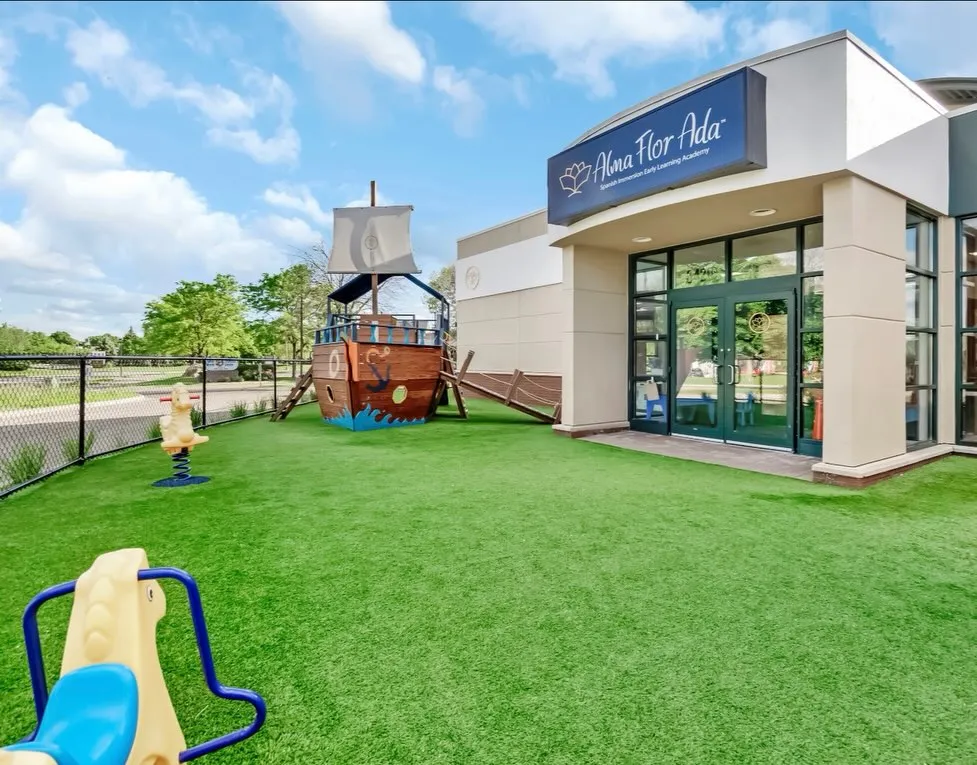
Knowing how to choose a Spanish immersion preschool comes down to asking the right questions and trusting what you see. The strongest programs share a clear set of traits: a true immersion model, native Spanish-speaking teachers, a real curriculum, low ratios, solid safety and licensing, authentic culture, and transparent tuition. This guide gives you a practical checklist and the questions worth asking on every tour.
At Alma Flor Ada Spanish Immersion Early Learning Academy in Woodbury, we encourage families to compare us against exactly these standards. Here is how to evaluate any program with confidence.
What separates true immersion from token Spanish?
The single biggest difference is how much of the day is actually in Spanish. True immersion conducts most of the day in the target language, while a program that offers one Spanish class or a few songs is enrichment, not immersion, and it produces far less fluency.
The clearest way to tell the difference is to ask about the immersion percentage. A strong program will give you a specific answer, often a 90/10 model, where roughly 90 percent of the day is in Spanish and about 10 percent in English, reserved for moments when a child needs clarity or reassurance.
If a school cannot tell you what percentage of the day happens in Spanish, or describes Spanish as a special activity rather than the language of the classroom, that tells you most of what you need to know.
Do the teachers speak Spanish natively?
This matters more than almost anything else. Children absorb pronunciation, rhythm, and cultural context directly from the adults around them, so native Spanish-speaking teachers give your child authentic language rather than textbook Spanish.
Ask directly whether the teachers are native speakers and where they are from. A program with native-speaking teachers from across the Spanish-speaking world exposes children to real accents, idioms, and culture, not a single flattened version of the language.
Beyond fluency, ask about experience in early childhood education. The best programs pair native fluency with genuine training in child development, because teaching toddlers and preschoolers well is its own skill.
Is there a real curriculum and progression system?
A quality immersion preschool follows a structured curriculum and moves children through clear developmental stages, not just a loose schedule of activities. Language acquisition and school readiness should both be intentional.
Ask how the program is structured as children grow. Strong programs organize learning around development, often through leveled stages. Our five-level progression is a good example to compare against:
- Early Pre-K, Level 101: 16 months to 2 years, built on play, music, and bilingual routines.
- Pre-K, Levels 102 to 103: 2 to 3 years, deepening vocabulary and early academics.
- Kindergarten Readiness, Levels 104 to 105: 4 and up, with bilingual literacy and math foundations.
A program that can explain how a child progresses from one stage to the next is thinking about your child’s whole development, not just filling a day.
What are the teacher-to-student ratios?
Low ratios are essential, especially for the youngest children. The fewer children per teacher, the more individual attention, responsiveness, and warmth each child receives, which is what allows immersion to feel safe rather than overwhelming.
Ask for the specific ratio in the classroom your child would join, and ask how it changes by age. Toddlers in particular need close, attentive care, so smaller groups are a meaningful quality signal.
Is the program safe and properly licensed?
Never skip the basics. A high-quality preschool is properly licensed, follows clear health and safety procedures, and can speak comfortably about how it keeps children secure throughout the day.
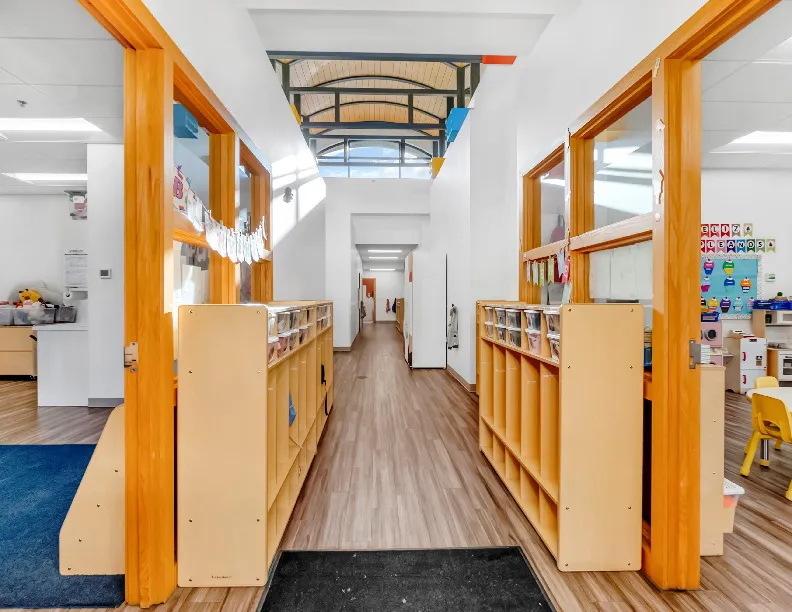
On a tour, notice the physical space, ask about licensing and safety protocols, and pay attention to how staff supervise and interact with children. A program that takes safety seriously will welcome these questions rather than brush them off.
Is the culture authentic, or just vocabulary?
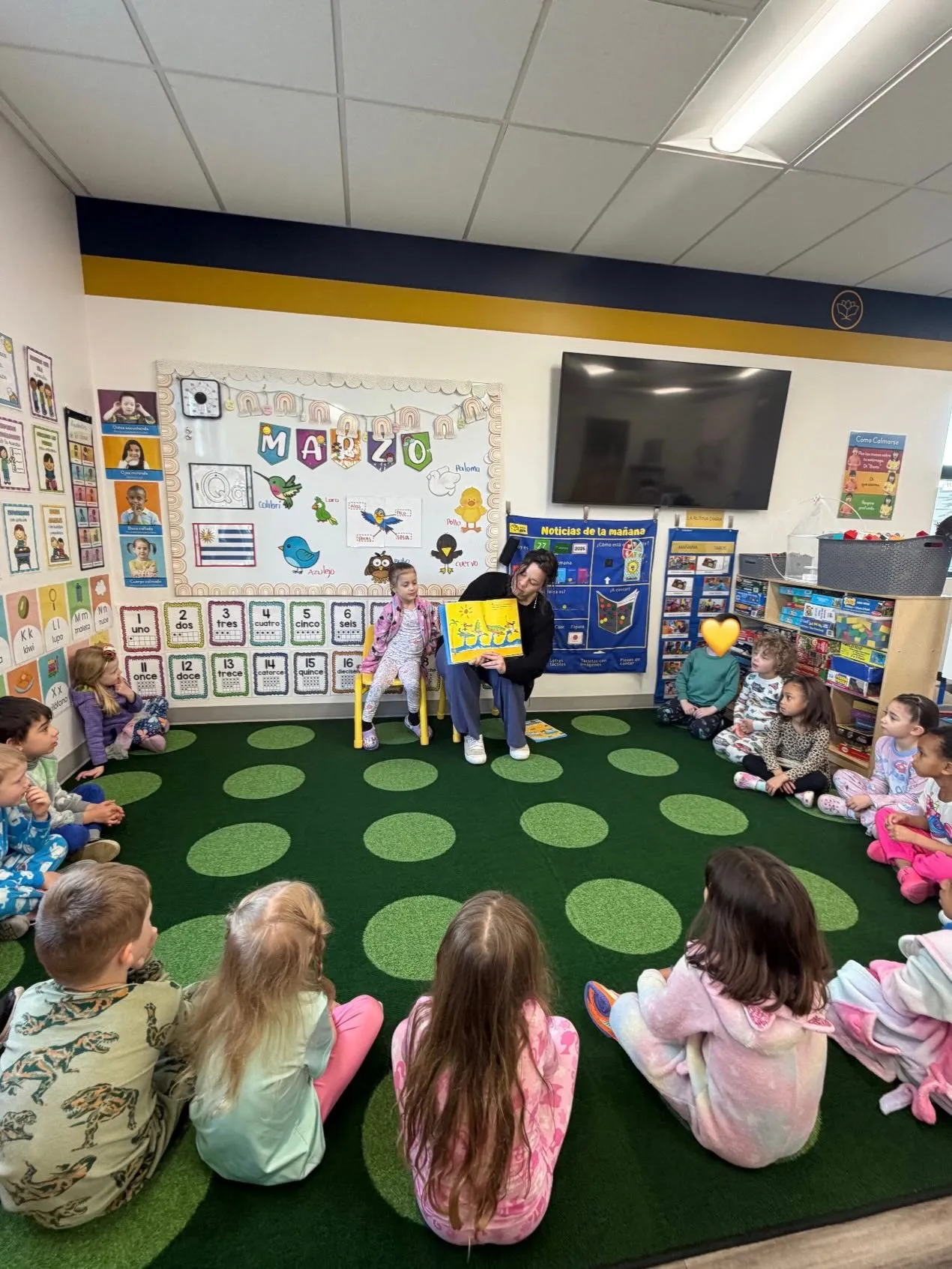
The best immersion programs teach culture, not only words. Language and culture are inseparable, and children gain far more when songs, stories, food, holidays, and traditions are woven into the everyday experience.
Ask how culture shows up in the daily routine. At our academy, culture is part of the curriculum rather than a once-a-year event, which means children connect to the wider Spanish-speaking world in a real and joyful way.
Is tuition transparent?
Transparency is a quiet but telling sign of a trustworthy program. A school that publishes its tuition respects your time and your decision, and it usually reflects a culture of openness in everything else too.
We believe families deserve to know what enrollment costs before they tour, so our tuition is published clearly: the Toddler Program is 460 dollars per week and the Pre-K and Kindergarten Program is 420 dollars per week, with snacks and lunch included. If a program is evasive about cost, ask yourself what else might be hard to pin down.
Does the program support kindergarten readiness?
A strong immersion preschool builds Spanish and prepares children for kindergarten at the same time. You should not have to choose between bilingual development and school readiness, because a well-run program delivers both.
Ask how the program supports the social, emotional, academic, and early literacy skills children need for elementary school. The goal is a child who steps into kindergarten confident, ready, and carrying a second language with them.
What questions should I ask on a tour? A quick checklist
When you visit any Spanish immersion preschool, bring this list:
- What percentage of the day is conducted in Spanish?
- Are the teachers native Spanish speakers, and where are they from?
- What does the curriculum and progression look like as my child grows?
- What is the teacher-to-student ratio in my child’s classroom?
- Is the program licensed, and what are your safety procedures?
- How is culture woven into the everyday experience?
- Is tuition published, and what does it include?
- How do you prepare children for kindergarten?
Most of all, trust the feel of the place. Watch whether children look happy, engaged, and secure, and whether teachers are warm and attentive. That instinct, paired with the questions above, will tell you a great deal.
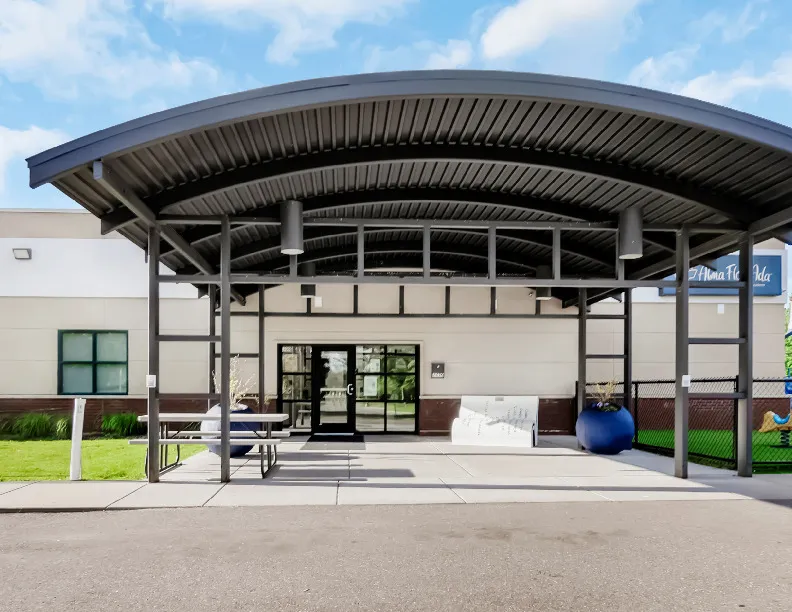
When you are ready to put this checklist to use, we would love to host you. Schedule a tour of our Woodbury academy at 8420 City Centre Drive, or call us at 651-999-3952, and see how Alma Flor Ada measures up in person.
Frequently Asked Questions
What questions should I ask on a preschool tour?
How much Spanish should a real immersion program use?
What credentials should immersion teachers have?
How can I tell if a program is high quality?
About the author
Melissa Thaemert, School Director
Melissa Thaemert is the School Director at Alma Flor Ada Spanish Immersion Early Learning Academy in Woodbury, Minnesota. She is a Minnesota educator with 24 years of experience as an elementary teacher, instructional coach, and administrator, and has served as an elementary administrator for the past nine years. She holds advanced degrees in educational leadership, professional studies, adult learning, and elementary education.
Curious about Spanish immersion for your child?
Schedule a tour of our Woodbury academy. We would love to show you around and answer your questions.