Choosing a Preschool
Child Care and Pre-K in Minnesota: A Parent's Starter Guide
A practical guide to child care and pre-K options in Minnesota: program types, what to look for, and how Spanish immersion fits your child's early start.
Lucilla Davila
Founder
Why Early Pre-K in Minnesota Matters for Your Child’s Future
Early pre-k minnesota programs offer families multiple pathways to high-quality education for children ages 3 and 4, preparing them for kindergarten success. Options range from publicly funded programs to specialized private academies like Spanish immersion.
Quick Overview: Early Pre-K Options in Minnesota
- Voluntary Prekindergarten (VPK): State-funded for eligible 4-year-olds, offering 350+ hours per school year.
- School Readiness: Public preschool for ages 3-4 with risk factors, using a sliding fee scale.
- Head Start: Federal program for low-income families, providing 1,020+ hours of comprehensive services.
- Private Programs: Options like Alma Flor Ada Spanish Immersion offer specialized curricula and flexible scheduling.
- Eligibility: Based on age (Sept. 1 cutoff), income, language needs, or other risk factors.
- Cost: Free for eligible families in public programs; sliding scales and scholarships are available.
Minnesota has significantly invested in early childhood education, serving thousands of children through Voluntary Prekindergarten, expanded preschool funding, and Early Learning Scholarships. Research confirms that quality pre-k develops the critical cognitive, social, and emotional skills needed for lifelong learning. A key part of this process is the state-required Early Childhood Screening, ideally done at age 3, to identify any potential developmental concerns early.
For families in the Woodbury area, understanding these options is the first step toward finding the right fit. I’m Lucilla Davila, and with nearly three decades of experience in bilingual and early childhood education, I’ve helped families steer early pre-k minnesota options to find programs that build strong academic foundations while honoring children’s cultural identities.
Understanding Early Pre-K Options in Minnesota
Minnesota offers a variety of programs designed to give children a strong start, from state-funded options to specialized private programs. Let’s explore the details.
Alma Flor Ada Spanish Immersion Early Pre-K
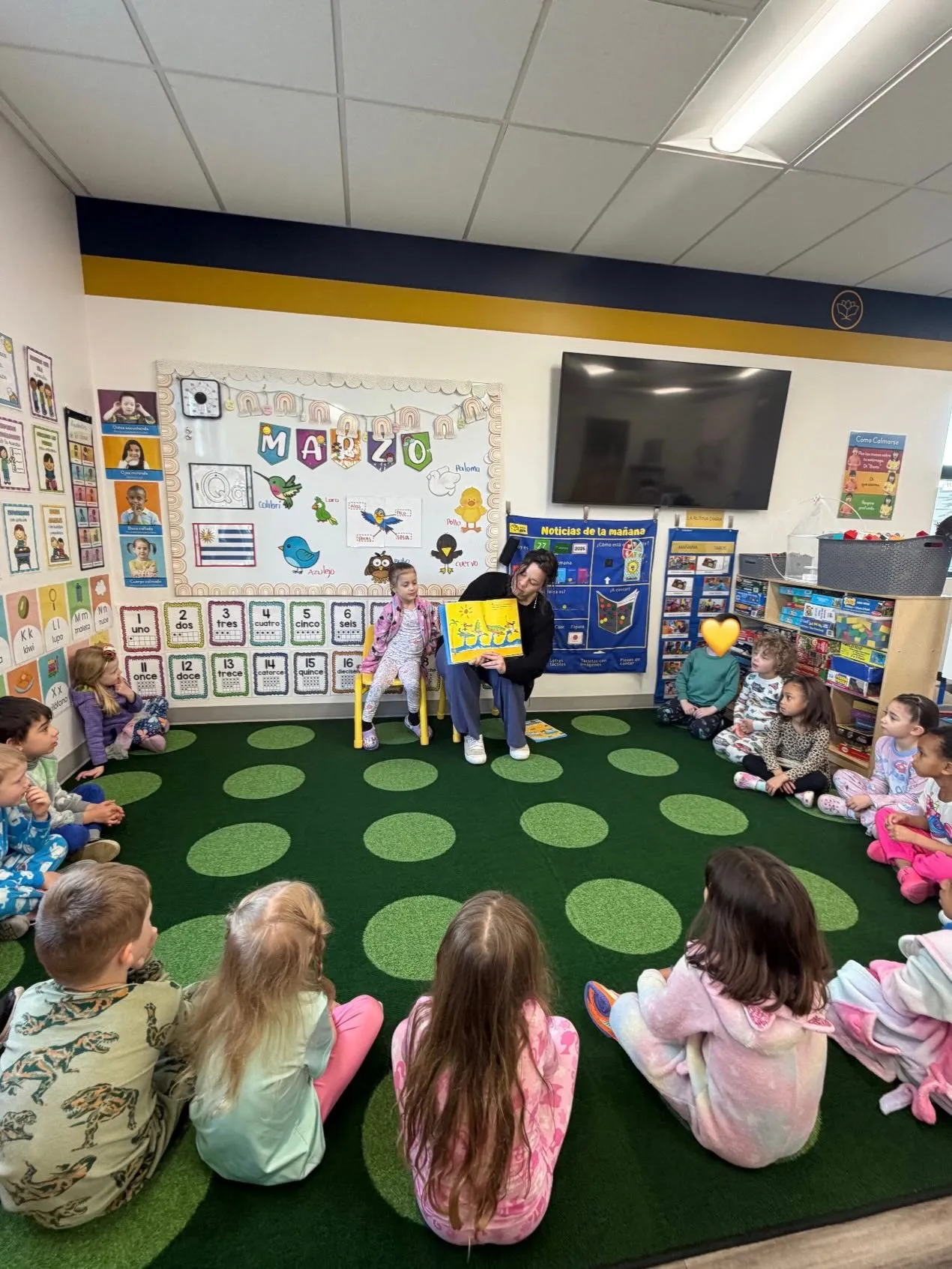
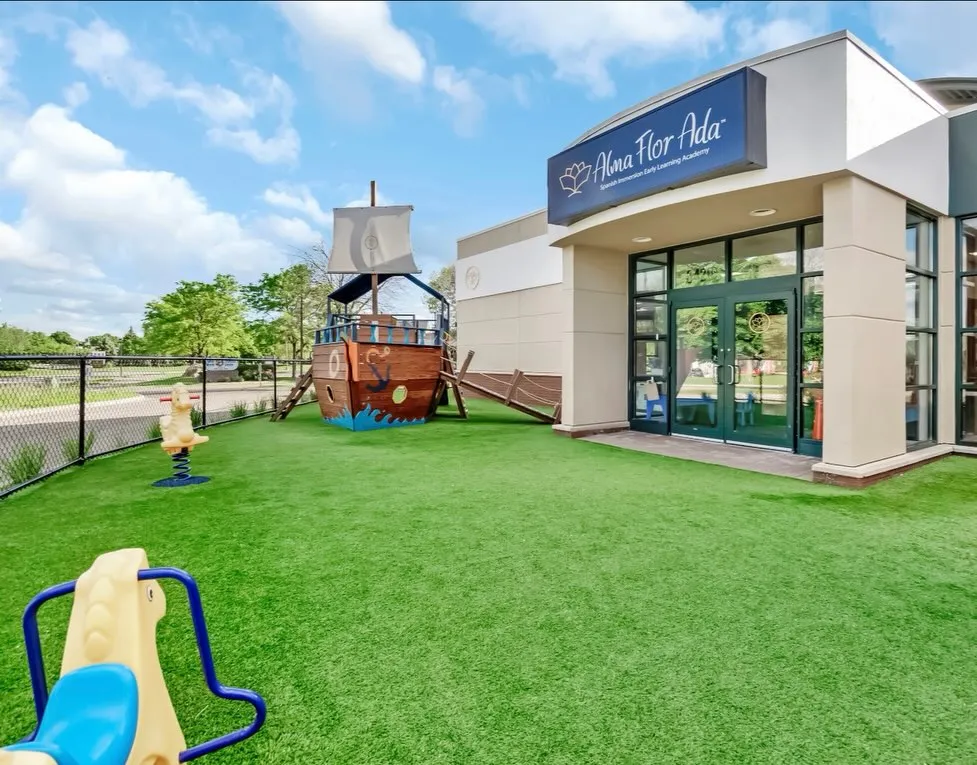
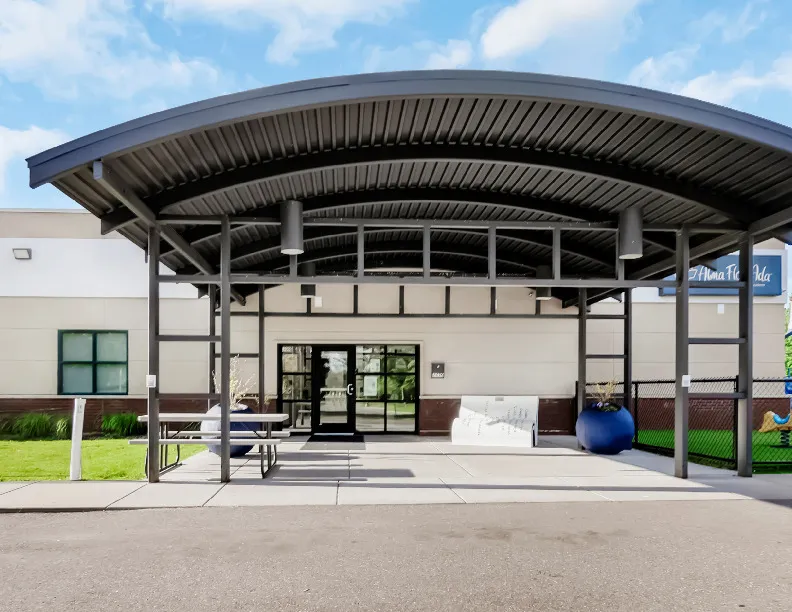
At Alma Flor Ada Spanish Immersion in Woodbury, we nurture young minds through a rich blend of language, culture, and academic exploration. Our Early Pre-K program prepares children ages 3 and 4 for kindergarten by fostering a love for learning and a strong foundation in both English and Spanish.
We offer a unique year-round Spanish Immersion experience with native Spanish speakers, ensuring children learn the language and experience the culture. Our program combines play-based learning with a rigorous academic approach, including a superb STEM curriculum. This holistic method helps children develop essential reading, writing, math, and social-emotional skills.
Understanding that every family’s needs are different, we offer flexible hours and a sliding fee scale to make our high-quality program accessible. Our goal is to provide an enriching environment where language, culture, and confidence can flourish.
To see all of our early learning options for children 16 months through Kindergarten, including Early Pre-K, Pre-K and Kindergarten readiness, you can explore more info about our programs.
Overview of Publicly Funded Pre-K Programs
Beyond specialized private options, Minnesota offers robust publicly funded programs to provide high-quality, accessible prekindergarten education. These programs are integral to ensuring all children are ready for kindergarten. The primary state-funded options are Voluntary Prekindergarten (VPK) and School Readiness, alongside the federally funded Head Start program.
These programs are generally integrated into the K-12 system, focusing on comprehensive development and alignment with kindergarten standards.
-
Voluntary Prekindergarten (VPK): This program allows school districts and charter schools to offer pre-k for 4-year-olds who meet eligibility criteria. It provides a minimum of 350 instructional hours per school year. The state has secured permanent funding for 12,360 VPK seats, and as of July 1, 2025, VPK and School Readiness Plus will align under a single VPK program.
-
School Readiness: This public school program serves children ages 3 and 4, preparing them for kindergarten on a sliding fee scale. Eligibility is often based on a child meeting certain risk factors.
-
Head Start: This federally funded program supports the development of children from birth to age 5 from low-income families. Head Start promotes school readiness by focusing on education, health, nutrition, and social services, typically requiring at least 1020 hours of class operations.
These programs are vital components of the early pre-k minnesota landscape. To learn more about early learning initiatives across the state, you can visit the Minnesota Department of Education’s early learning programs page: Learn more about early learning in Minnesota.
Comparison: Alma Flor Ada Spanish Immersion Early Pre-K and Public Pre-K Options
To help you visualize the differences and similarities, we’ve put together a comparison table focusing on our program and the publicly funded options available in Minnesota.
| Feature | Alma Flor Ada Spanish Immersion Early Pre-K | Public VPK/School Readiness (General) | Head Start (General) |
|---|---|---|---|
| Target Age | 16 months - Kindergarten (Pre-K typically 3-4 years old) | 3-4 years old | Birth to 5 years old |
| Eligibility Basis | Open enrollment, flexible age ranges for Pre-K | Age 3 or 4 by Sept 1, plus risk factors or financial eligibility | Income below poverty line, homelessness, foster care |
| Cost/Fees | Sliding fee scale, private tuition | Free for eligible children; sliding fee for others | Free for eligible children |
| Minimum Hours | Year-round, flexible hours (full/part-day) | VPK: 350 hrs/school year; SR: No statutory min | 1020 hrs/year (center-based) |
| Program Focus | Spanish Immersion, STEM, Real Culture, Play-based, Academic | Kindergarten readiness, academic & social skills | Comprehensive development, family support |
| Key Difference | Multi-lingual immersion, year-round, specialized curriculum | School-based, eligibility-driven, aligned with K-12 | Federally funded, comprehensive services, low-income focus |
Eligibility Deep Dive: Who Qualifies for Early Pre-K in Minnesota?
Understanding the criteria for early pre-k minnesota programs is key to finding the right option. Each program has its own requirements, but they generally aim to serve children who would benefit most from early support. Let’s break down the factors.
Age and Residency Requirements
For public programs like School Readiness and Voluntary Prekindergarten (VPK), a crucial date is September 1st.
- A child must be at least three years old on September 1st for School Readiness programs.
- A child must be four years of age as of September 1st for VPK programs.
Children who turn five by September 1st are generally eligible for kindergarten. Residency also matters for public programs; your family must typically live within the school district’s attendance area. For example, residents of Woodbury would be eligible for programs in the South Washington County Schools district. While our Alma Flor Ada program is open to all, public schools often prioritize students based on their attendance area.
Prioritized Qualifications and Risk Factors
Many publicly funded early pre-k minnesota programs prioritize enrollment for children who meet specific “risk factors.” These factors indicate a child might benefit from extra support to be ready for kindergarten. Eligibility for free enrollment is often tied to one or more of these criteria:
- Qualifies for free or reduced-price lunch
- Is an English language learner (ELL)
- Is homeless
- Has an individualized education program (IEP) or standardized written plan
- Is identified with a potential risk factor through health and developmental screenings
- Is in foster care or needs child protection services
- Has a parent who is a migrant or seasonal agricultural laborer
- Has a parent who is incarcerated
- Is defined as at-risk by the local school district
Even if your child doesn’t meet these criteria, many programs offer fee-based enrollment.
The Crucial Role of Early Childhood Screening
Completing an Early Childhood Screening is a vital step in your child’s learning journey. It’s a state requirement for all children before kindergarten, and it’s best done when your child is age 3.
This free check-up helps identify potential health or developmental problems early. The screening typically covers vision, hearing, growth, immunizations, and developmental progress (motor skills, language, social-emotional). Early detection allows for early intervention, which supports kindergarten readiness. A risk factor identified during screening can also be a qualifying criterion for public pre-k programs.
You can schedule a screening through your local school district. We also highly recommend exploring the resources available at Help Me Grow to find screening information and support.
A Look Inside Minnesota’s Pre-K Classrooms
Stepping into an early pre-k minnesota classroom reveals a vibrant environment where children learn and explore. While programs vary, common threads include a structured curriculum, qualified staff, and support for diverse needs.
What to Expect in an Early Pre-K Minnesota Classroom
Whether in a public school or a specialized setting like Alma Flor Ada Spanish Immersion, you can expect a structured yet flexible environment designed for holistic development.
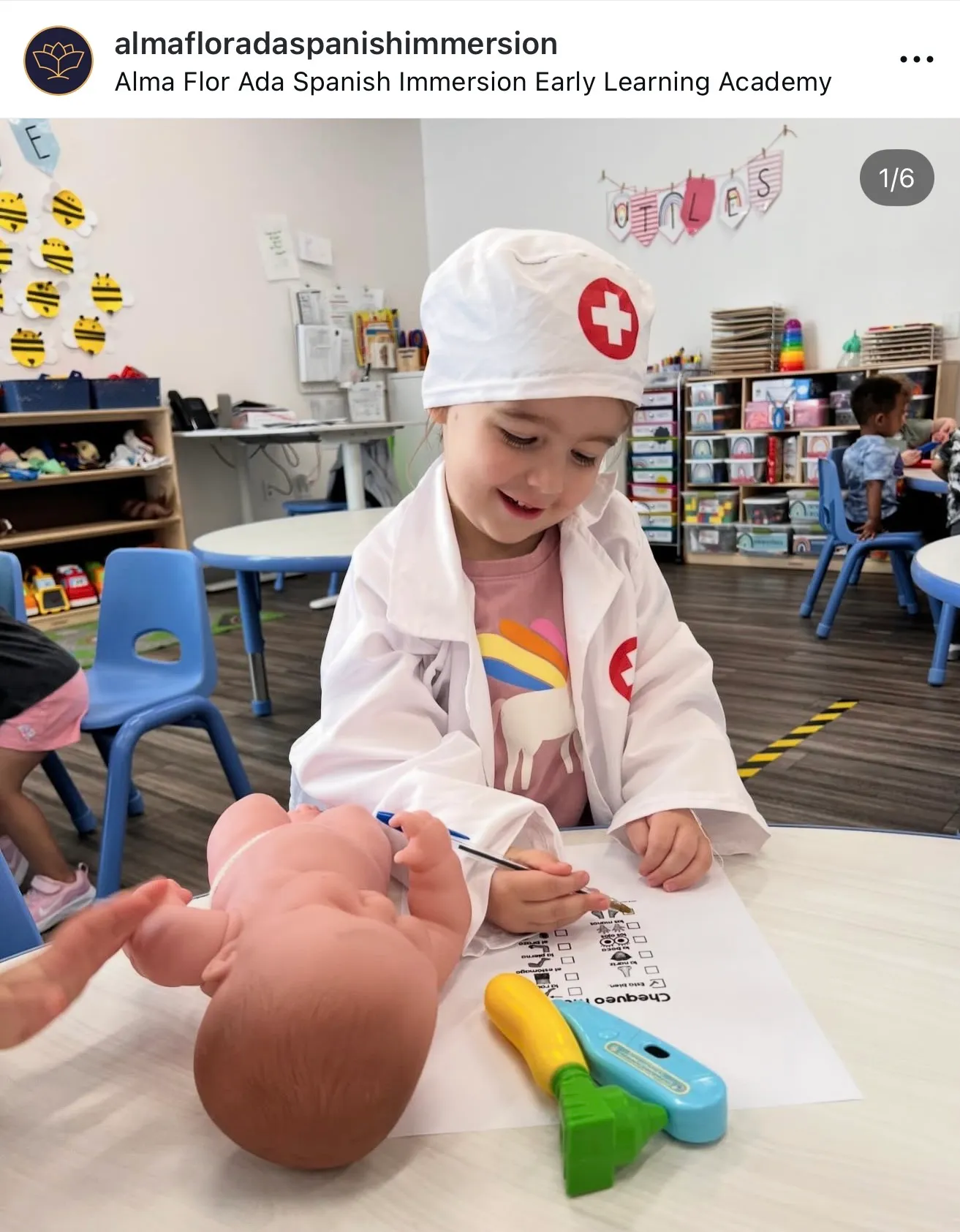
Most classrooms focus on a rigorous academic approach aligned with K-12 standards, exposing children to foundational concepts early. A key component is play-based learning, where thoughtfully designed activities allow children to learn through hands-on experience, developing cognitive skills and creativity.
Alongside academics, there’s a strong emphasis on social-emotional skill development, teaching children to work with others, share, and understand their emotions. At Alma Flor Ada in Woodbury, we integrate this with Spanish language immersion. Our superb STEM curriculum is delivered by native Spanish speakers, building bilingualism and broadening cultural understanding for a globalized world.
Staffing, Ratios, and Parent Involvement
The quality of an early pre-k program is reflected in its staffing and family partnerships. Minnesota programs maintain high standards, generally aiming for a staff-to-child ratio of one-to-ten (1:10) with a maximum group size of 20 children. This ensures each child receives individual attention.
State-funded early pre-k minnesota programs require licensed teachers knowledgeable in early childhood curriculum, assessment, and language development. Head Start also has strict requirements for teacher qualifications. This commitment to qualified educators ensures a high-quality learning environment.
Parent involvement is a cornerstone of early learning. Families are encouraged to participate in program planning and decision-making. Programs like School Readiness and Head Start implement family engagement strategies to foster parental confidence and support the parent-child relationship.
Supporting Children with Diverse Needs
Minnesota’s early childhood system is committed to providing all children with access to high-quality learning. This includes robust support for children with diverse needs. Programs must provide reasonable accommodations for children with Individualized Education Programs (IEPs) to ensure full participation, as mandated by federal laws like The Individuals with Disabilities Educational Act (IDEA).
For families with questions about their child’s development, Help Me Grow is an invaluable state resource that provides information on developmental milestones and referrals to early intervention services. Minnesota also focuses on the needs of specific populations, such as American Indian children, through initiatives like the Community Solutions for Healthy Child Development Grants, which fund culturally responsive, community-based solutions.
Financial Aid and State-Level Support
We understand that the cost of early childhood education is a concern for many families. Fortunately, Minnesota is dedicated to making early pre-k minnesota accessible through various financial aid options and state-level support.
Finding Tuition Assistance and Scholarships
For families seeking tuition assistance, Minnesota offers several avenues:
-
Early Learning Scholarships: These scholarships help families pay for high-quality child care and early education programs with a Parent Aware rating. Eligibility is typically based on income and other factors. These scholarships are managed by regional providers. Families in Washington County (where Woodbury is located) can access scholarships through nearby organizations such as Think Small (serving Hennepin and Ramsey counties) and Families First of Minnesota (serving Carver, Dakota, and Scott counties), depending on program partnerships and funding availability. Inquire with your local school district or the Minnesota Department of Education for current information on providers in your area.
-
Sliding Fee Scales and Fee Waivers: Many public pre-k programs, like School Readiness, use a sliding fee scale based on family income. These programs are also required to waive fees for participants unable to pay, ensuring financial barriers don’t prevent access. While VPK is free for eligible participants, additional programming may have a sliding-fee schedule with waivers available. At Alma Flor Ada Spanish Immersion, we also offer a sliding fee scale.
If you are interested in exploring financial support, we encourage you to complete a Fee Assistance Inquiry Form. This is a great first step to understanding what might be available to your family.
Minnesota’s Commitment: The Preschool Development Grant (PDG)
Minnesota’s dedication to early childhood education is solidified by the federal Preschool Development Grant (PDG) Birth through Five. This grant supports a comprehensive, multi-agency approach to strengthening the state’s early learning system.
The PDG is a collaborative effort between state agencies to align education and care systems. Key priorities include improving family access to services, enhancing quality standards, and supporting the early childhood workforce. A concrete outcome is the launch of Help Me Connect, a centralized hub that directly connects families to resources and services.
Minnesota has received substantial federal funding through multiple PDG grants, demonstrating a long-term commitment to improving its early childhood system for all children. For more details, you can review Minnesota’s Preschool Development Grant details.
Frequently Asked Questions
What is the main difference between Alma Flor Ada Spanish Immersion Early Pre-K and public pre-k options?
Is my 4-year-old guaranteed a free spot in a Pre-K program?
Where can I get my child screened for developmental concerns?
About the author
Lucilla Davila, Founder
Lucilla Davila is the founder of Alma Flor Ada Spanish Immersion Early Learning Academy. She built AFA to create the kind of nurturing, joyful, culturally rooted Spanish immersion environment she searched for as a parent and could not find. She leads the academy's vision of raising bilingual, kindhearted, kindergarten-ready children in Woodbury.
Curious about Spanish immersion for your child?
Schedule a tour of our Woodbury academy. We would love to show you around and answer your questions.